Foods to Eat & Avoid on Keto 2.0: The Complete Beginner-Friendly Food List
Knowing what to eat — and what to avoid — is one of the biggest challenges for beginners starting Keto 2.0. Understanding the foods to eat and avoid on Keto 2.0 is essential to making the process more manageable and effective.
With so much conflicting advice online, many people either restrict themselves too much or unknowingly eat foods that slow down their results.
Keto 2.0 takes a simpler, more flexible approach. Instead of obsessing over every gram of carbs, this version of keto focuses on smart food choices, better quality ingredients, and long-term sustainability.
In this complete guide, you’ll find a clear, beginner-friendly list of foods to eat and foods to avoid on Keto 2.0, along with practical tips to make daily choices easier — without stress or confusion.
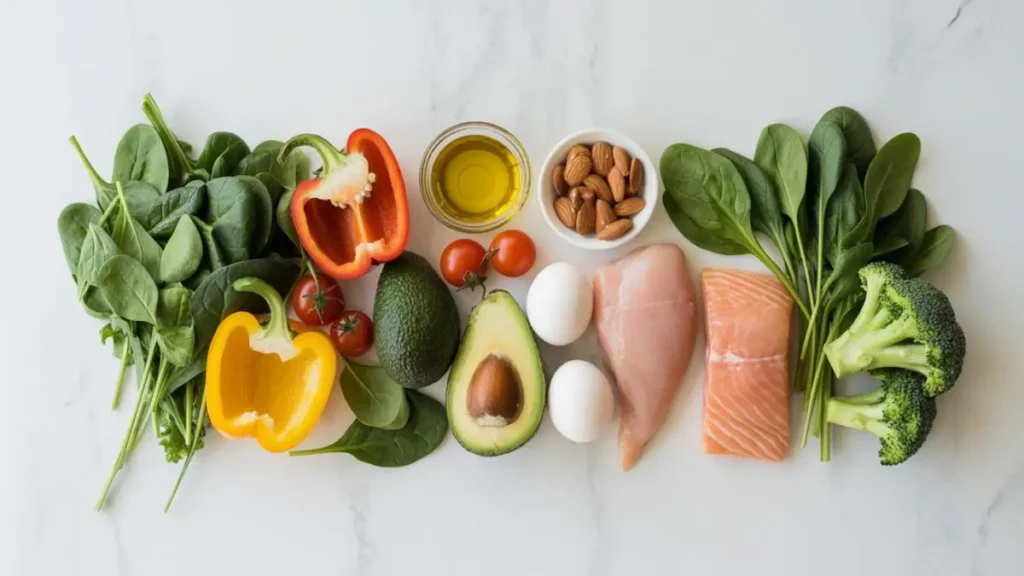
Table of Contents
What Makes the Keto 2.0 Food Approach Different?
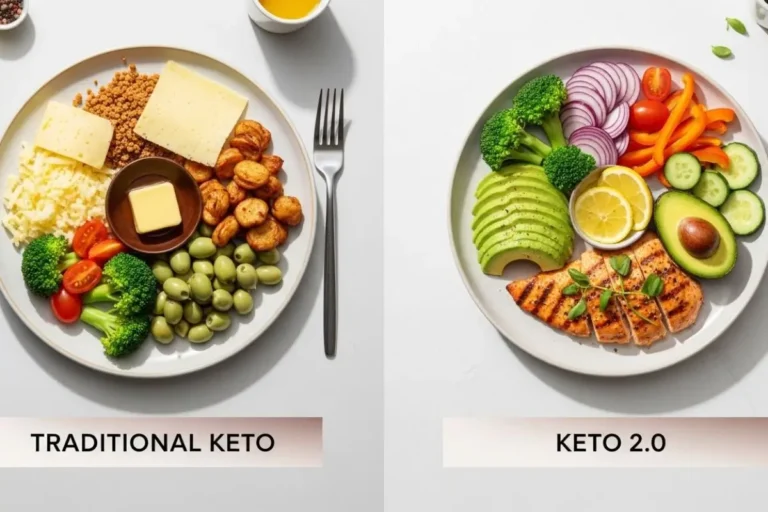
Unlike traditional keto, which often focuses on strict carb limits and very high fat intake, the Keto 2.0 food approach is built around balance, flexibility, and real-life sustainability.
Keto 2.0 is not about eating as much fat as possible or following rigid food rules. Instead, it prioritizes food quality, smarter choices, and metabolic health, making it much easier to follow long term—especially for beginners.
Learn how Keto 2.0 differs from traditional approaches in this comprehensive Keto 2.0 for Beginners guide, where we explain the core principles, benefits, and real-life application step by step.Here’s what truly sets Keto 2.0 apart:
1. Food Quality Comes First
Keto 2.0 emphasizes whole, minimally processed foods over packaged “keto-friendly” products.
Instead of relying on artificial sweeteners, processed snacks, or ultra-refined oils, the focus is on real foods that support stable energy levels and overall health.
2. Moderate Protein, Not Excessive Fat
Traditional keto often pushes very high fat intake. Keto 2.0 takes a more balanced approach by encouraging:
- Adequate, clean protein for muscle and satiety
- Healthy fats in reasonable amounts
- No need to “force” fat consumption
This helps beginners avoid common issues like digestive discomfort, fatigue, or stalled progress.
3. Higher Fiber Intake from Low-Carb Vegetables
Keto 2.0 places a strong emphasis on fiber-rich, low-carb vegetables, which:
- Support digestion and gut health
- Help manage hunger and cravings
- Improve blood sugar stability
This makes the diet feel more satisfying and nutritionally complete.
4. Flexibility Without Losing Structure
Rather than strict macro tracking or fear of small carb variations, Keto 2.0 allows flexibility within a low-carb framework.
The goal is consistency—not perfection—so the plan adapts to real life, social situations, and individual needs.
5. Beginner-Friendly and Sustainable
Keto 2.0 foods are chosen to reduce overwhelm.
Instead of long “avoid lists” and complex rules, beginners learn:
- What to eat
- Why it works
- How to build meals confidently
This makes Keto 2.0 easier to start, easier to maintain, and far more sustainable than traditional keto approaches.
Foods to Eat on Keto 2.0 (Beginner-Friendly List)
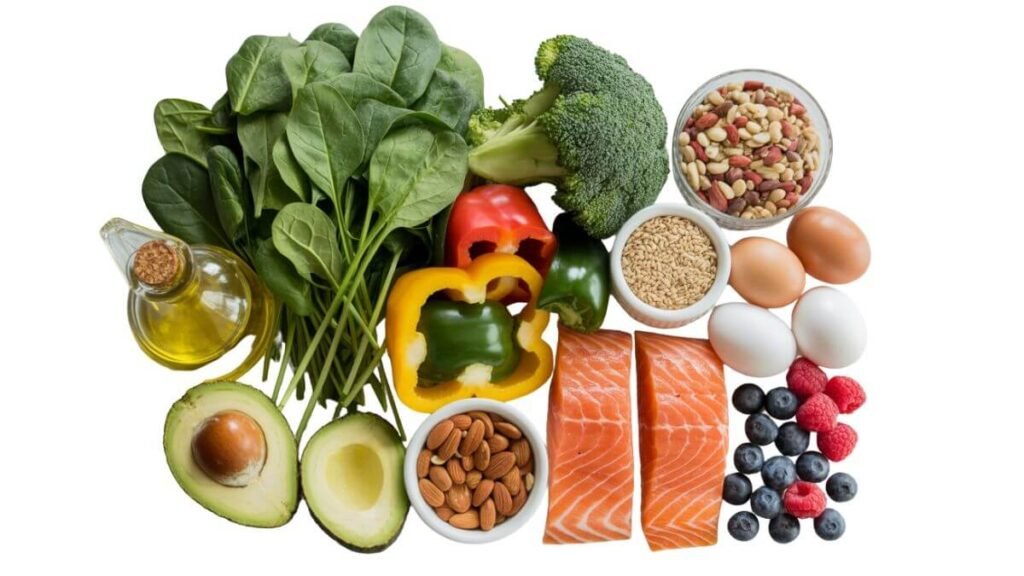
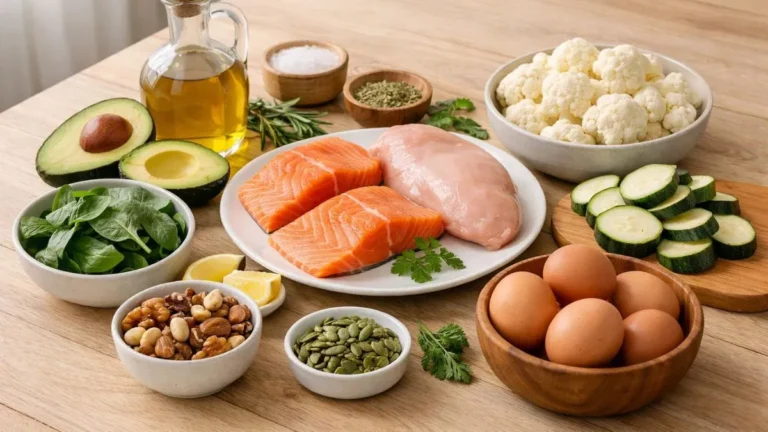
Keto 2.0 focuses on simple, whole, and nourishing foods that support low-carb living without extreme restriction.
Instead of obsessing over macros or forcing excessive fat intake, Keto 2.0 encourages balanced choices that are easy to maintain long term.
Below is a beginner-friendly food list to help you start Keto 2.0 with confidence.
Protein Sources (Moderate & Clean)
Protein plays an essential role in Keto 2.0, but the goal is moderation, not excess.
Best protein choices include:
- Eggs (pasture-raised if possible)
- Chicken, turkey, and lean cuts of beef
- Fatty fish (salmon, sardines, mackerel)
- Tuna and shrimp
- Grass-fed beef and lamb (when available)
Keto 2.0 prioritizes quality protein to support muscle, satiety, and metabolic health — without overloading fat.
Low-Carb Vegetables (High Fiber Focus)
Unlike traditional keto, Keto 2.0 does not encourage eating fat for the sake of it.
Preferred fat sources:
- Olive oil and avocado oil
- Avocados
- Nuts and seeds (almonds, walnuts, chia, flax)
- Natural fats from whole foods (fish, eggs, meat)
The goal is enough fat for satiety, not constant fat loading.
Dairy (Optional & Individual)
Dairy can be included on Keto 2.0, but it’s optional and personal.
If tolerated, choose:
- Greek yogurt (unsweetened, full-fat)
- Hard cheeses (cheddar, parmesan)
- Cottage cheese (in moderation)
If dairy causes bloating, cravings, or stalls, Keto 2.0 allows flexibility to reduce or remove it.
Seasonings & Extras
Flavor matters for sustainability.
- Herbs and spices
- Garlic, onions (small amounts)
- Salt, pepper
- Lemon juice and vinegar
These additions help meals stay enjoyable without breaking the low-carb structure.
Why This Food List Works for Beginners
Keto 2.0 food choices are designed to:
- Reduce overwhelm
- Improve energy and digestion
- Support fat loss without extreme rules
- Encourage long-term adherence
This approach allows beginners to focus on consistency instead of perfection.
According to Harvard Health, understanding the role of fats and cholesterol in your diet can help you choose the healthiest sources of fat for a ketogenic lifestyle. Learn more in this Harvard Health article on fats and cholesterol.Foods to Avoid on Keto 2.0 (Without Fear or Guilt)
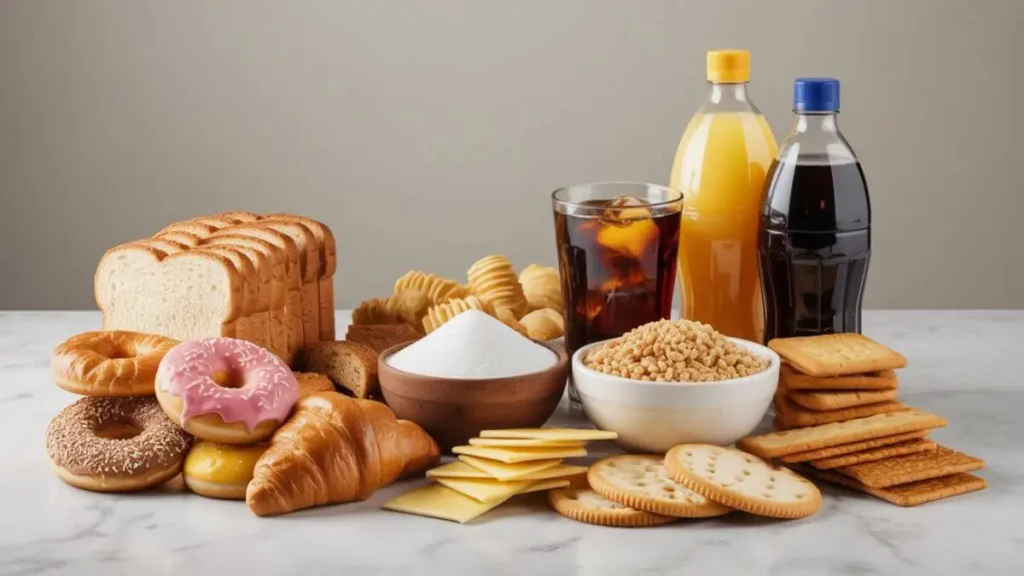
One of the biggest differences with Keto 2.0 is that it doesn’t rely on fear-based food rules.
Instead of labeling foods as “bad” or “forbidden,” Keto 2.0 helps beginners understand which foods slow progress and why reducing them makes the journey easier — without guilt or extremes.
Foods to Limit or Avoid on Keto 2.0
These foods are not “evil,” but they tend to spike blood sugar, increase cravings, or make it harder to stay in a fat-adapted state — especially for beginners.
1. Refined Sugars & Sweet Foods
- Sugar, honey, agave, syrups
- Candy, pastries, cakes, cookies
- Sweetened cereals and granola bars
These foods cause rapid blood sugar spikes and make ketosis difficult to maintain.
Scientific research shows that reducing refined carbohydrates is associated with improved metabolic health. See this study on low-carb diets from the NIH PubMed database for more details.2. Highly Processed Carbohydrates
- White bread, pasta, rice
- Baked goods made with refined flour
- Crackers, chips, and snack foods
They provide very little nutritional value and often trigger hunger soon after eating.
3. Sugary Drinks
- Soda and sweetened juices
- Energy drinks and flavored teas
- Sweetened coffee beverages
Liquid sugar is one of the fastest ways to disrupt metabolic balance on keto.
4. Ultra-Processed “Low-Fat” Foods
- Low-fat yogurts with added sugar
- Processed sauces and dressings
- Packaged “diet” foods
These often contain hidden sugars, seed oils, and additives that work against metabolic health.
5. Excessive Alcohol (Especially Sugary Options)
- Beer
- Sweet cocktails
- Liqueurs
Alcohol slows fat burning and can make it harder to stay consistent, especially in the early stages.
The Keto 2.0 Mindset: Progress Over Perfection
Keto 2.0 does not require:
- Eliminating every carb forever
- Avoiding social meals
- Feeling guilty after imperfect choices
Instead, it focuses on:
- Reducing high-impact carbs
- Choosing better alternatives most of the time
- Building habits you can maintain long term
If a food occasionally appears in your diet, it doesn’t mean you’ve failed — it simply means you return to your plan at the next meal.
That’s how Keto 2.0 supports real-life consistency, not short-term restriction.
Foods to Eat vs Foods to Avoid on Keto 2.0
One of the biggest questions beginners have is what foods are actually allowed on Keto 2.0. Learning the foods to eat and avoid on Keto 2.0 helps beginners build confidence and make better choices from the start.
Unlike traditional keto, Keto 2.0 focuses on flexibility, food quality, and sustainability, not fear or extreme restriction.
This simple comparison will help you understand what to prioritize and what to limit — without stress or confusion.
| Foods to Eat (Focus On) | Foods to Avoid (Limit or Skip) |
| Leafy greens (spinach, kale, arugula) | Sugar (white sugar, brown sugar, syrups) |
| Non-starchy vegetables (broccoli, zucchini, cauliflower) | Refined carbs (white bread, pasta, rice) |
| Eggs (free-range if possible) | Sugary snacks & desserts |
| Fatty fish (salmon, sardines, mackerel) | Sweetened drinks (soda, juice) |
| Clean proteins (chicken, turkey, beef, tofu) | Processed foods & fast food |
| Healthy fats (olive oil, avocado oil) | Trans fats & seed oils (margarine) |
| Nuts & seeds (almonds, chia, flax) | Ultra-processed keto products |
| Full-fat dairy (Greek yogurt, cheese in moderation) | High-sugar fruits (bananas, grapes) |
| Berries (small portions) | Alcohol (especially beer & cocktails) |
Keto 2.0 is not about banning foods forever.
It’s about making smarter choices most of the time.
Instead of fearing carbs, Keto 2.0 teaches you to:
- Reduce refined and processed carbohydrates
- Choose whole, nutrient-dense foods
- Focus on consistency rather than perfection
This approach makes Keto 2.0 easier to follow long-term and more beginner-friendly than traditional keto.
How to Build Keto 2.0 Meals (Simple Plate Method)
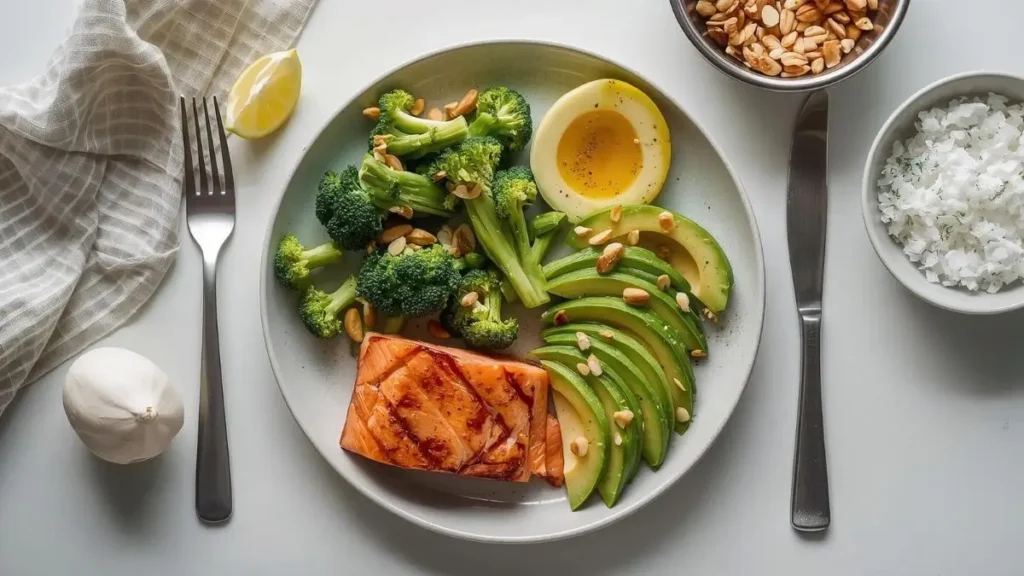
Keto 2.0 is designed to be practical and sustainable — not complicated.
Instead of counting every gram of carbs or tracking strict macros, Keto 2.0 uses a simple plate method that makes meal building easy, even for complete beginners.
This approach helps you stay consistent, avoid overwhelm, and create balanced low-carb meals without stress.
The Keto 2.0 Plate Method
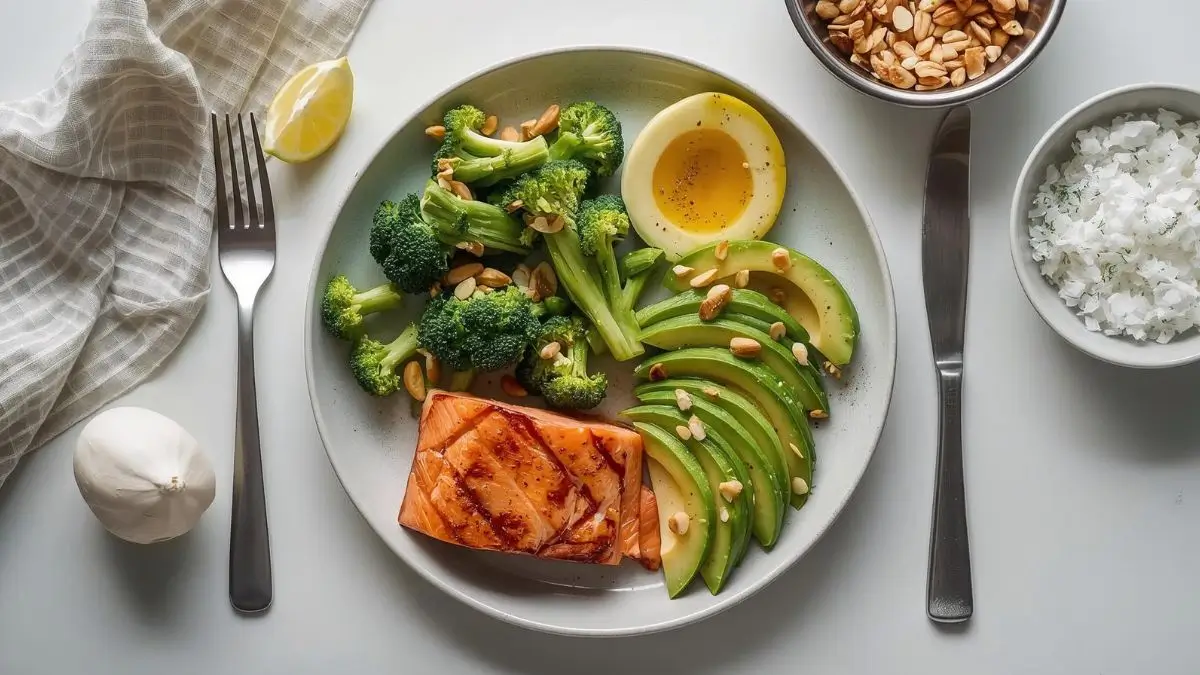
Think of your plate as divided into three simple parts:
1. Half of Your Plate: Low-Carb Vegetables
Fill about 50% of your plate with non-starchy, fiber-rich vegetables.
Examples include:
- Leafy greens (spinach, lettuce, arugula)
- Broccoli, cauliflower, zucchini
- Cucumbers, peppers, asparagus
These vegetables provide fiber, micronutrients, and volume — helping digestion and satiety without raising blood sugar.
2. One Quarter of Your Plate: Clean Protein
About 25% of your plate should come from moderate, high-quality protein sources.
Good options:
- Eggs
- Chicken, turkey
- Fish (salmon, sardines)
- Tofu or tempeh (if tolerated)
Keto 2.0 avoids excessive protein but ensures enough to support muscle, energy, and metabolic health.
3. One Quarter of Your Plate: Healthy Fats
The remaining 25% comes from healthy fats added intentionally — not excessively.
Examples:
- Olive oil or avocado oil
- Avocados
- Nuts and seeds (in moderation)
- Butter or ghee (small amounts)
The goal is balance, not forcing fat into every meal.
Why This Method Works for Beginners
The Keto 2.0 plate method:
- Removes the need for calorie counting
- Prevents extreme fat overconsumption
- Encourages nutrient-dense whole foods
- Adapts easily to real-life meals and restaurants
This structure makes Keto 2.0 easier to follow long-term while still supporting ketosis, metabolic flexibility, and steady energy.
Common Food Mistakes on Keto 2.0 (and How to Fix Them)
Starting Keto 2.0 doesn’t require perfection — but some common food mistakes can slow down progress or cause unnecessary frustration, especially for beginners.
Here are the most frequent Keto 2.0 food mistakes and how to easily fix them.
1. Overeating Fat Instead of Eating Smartly
Traditional keto often pushes very high fat intake. On Keto 2.0, fat supports energy — it doesn’t need to be excessive.
Fix:
Use healthy fats (olive oil, avocado, nuts) in moderation and let your body burn stored fat over time.
2. Avoiding Vegetables Out of Fear of Carbs
Many beginners cut vegetables too aggressively, which can lead to low fiber intake and digestive issues.
Fix:
Focus on low-carb, fiber-rich vegetables like leafy greens, zucchini, cauliflower, broccoli, and cucumbers.
3. Relying Too Much on “Keto” Packaged Foods
Not all “keto-labeled” foods are created equal. Many contain hidden sugars, poor oils, or artificial ingredients.
Fix:
Prioritize whole foods and read ingredient labels carefully. Keto 2.0 favors simplicity over processed substitutes.
4. Eating Too Little Protein
Fear of protein can lead to muscle loss, fatigue, and hunger.
Fix:
Include clean, moderate protein at every meal (eggs, fish, poultry, Greek yogurt, tofu). Protein supports metabolism and satiety.
5. Skipping Meals or Under-Eating
Extreme restriction can backfire and make Keto unsustainable.
Fix:
Eat balanced meals that keep you full and energized. Keto 2.0 is about consistency, not deprivation.
A Sample Day of Eating on Keto 2.0 (Beginner Example)
One of the biggest questions beginners ask is:
“What does a full day of Keto 2.0 eating actually look like?”
The good news is that Keto 2.0 meals don’t need to be complicated, restrictive, or boring.
Below is a simple, realistic example of a beginner-friendly Keto 2.0 day — focused on balance, whole foods, and sustainability.
Breakfast (Optional & Flexible)
Keto 2.0 does not require strict breakfast rules. You can eat when hungry.
Example options:
- Scrambled eggs cooked in olive oil or butter
- Avocado slices or sautéed spinach
- Black coffee, herbal tea, or water
Tip: If you’re not hungry in the morning, it’s perfectly fine to delay breakfast.
Lunch (Balanced & Satisfying)
Example plate:
- Grilled chicken or salmon
- Large salad with leafy greens, cucumber, and olive oil dressing
- A small portion of healthy fats (avocado or olives)
This type of meal keeps carbs low while providing protein, fiber, and healthy fats.
Snack (Only If Needed)
Snacks are optional on Keto 2.0.
Beginner-friendly options:
- A small handful of nuts
- Greek yogurt (unsweetened, full-fat)
- Cheese slices with raw vegetables
Tip: Eat snacks mindfully, not out of habit.
Dinner (Simple & Real-Life Friendly)
Example plate:
- Baked or pan-seared fish, beef, or tofu
- Steamed or roasted low-carb vegetables (zucchini, broccoli, cauliflower)
- Olive oil or butter for added fat and flavor
No complex tracking — just clean, satisfying food.
Drinks Throughout the Day
- Water (still or sparkling)
- Herbal teas
- Electrolytes if needed (especially for beginners)
Avoid sugary drinks and sweetened beverages.
Why This Works for Beginners
This sample day shows how Keto 2.0:
- Avoids extreme restriction
- Focuses on real, whole foods
- Encourages flexibility instead of perfection
- Supports long-term adherence
Keto 2.0 is about building habits you can repeat daily, not following a rigid plan.
For fully structured weekly menus, check out our Keto 2.0 Meal Plans with beginner-friendly examples and templates.How to Transition to Keto 2.0 Without Shocking Your Body
tarting Keto 2.0 doesn’t require drastic changes overnight.
In fact, one of the key principles of Keto 2.0 is making the transition smooth, realistic, and stress-free.
Instead of cutting carbs aggressively from day one, Keto 2.0 encourages a gradual reduction. This allows your body to adapt without extreme fatigue, cravings, or the common “keto flu” symptoms many beginners fear.
Here’s how to transition safely and comfortably:
- Begin by removing processed sugars and refined carbs
- Replace them with whole, low-carb foods step by step
- Increase hydration and electrolyte intake
- Focus on balanced meals, not perfection
- Listen to your body and adjust as needed
Keto 2.0 is designed to work with your lifestyle — not against it.
By easing into the process, you improve consistency, energy levels, and long-term success.
This flexible transition is what makes Keto 2.0 sustainable for beginners and easier to maintain over time.
Is Keto 2.0 Safe? (Beginner-Friendly & Evidence-Based)
Is Keto 2.0 Safe for Beginners?
Keto 2.0 is designed to be safer and more beginner-friendly than traditional ketogenic approaches — especially for people starting a low-carb lifestyle for the first time.
Unlike strict keto, which can feel extreme and restrictive, Keto 2.0 focuses on nutrient density, balance, and flexibility, rather than chasing deep ketosis at all costs.
For most healthy adults, Keto 2.0 is considered safe when followed properly and with common-sense guidelines.
Why Keto 2.0 is safer than traditional keto:
- No extreme carb fear or zero-carb mindset
- Emphasis on whole, minimally processed foods
- Moderate protein intake to support muscle and metabolism
- Higher fiber intake from vegetables to support digestion
- Flexibility that reduces stress and improves adherence
Instead of forcing rapid changes, Keto 2.0 encourages a gradual transition, allowing your body to adapt more comfortably.
Who Should Be Careful or Seek Medical Advice?
While Keto 2.0 is generally safe, some individuals should consult a healthcare professional before starting, including:
- People with diabetes or blood sugar disorders
- Individuals taking blood pressure or blood sugar medications
- Those with a history of eating disorders
- Pregnant or breastfeeding women
This is not because Keto 2.0 is dangerous, but because personal medical conditions require personalized guidance.
The Bottom Line on Safety
Keto 2.0 is not about extremes.
It’s about building a sustainable low-carb lifestyle that supports metabolic health, energy, and long-term success — without unnecessary stress or restriction.
Ready to Start Keto 2.0 the Right Way?
Keto 2.0 isn’t about restriction — it’s about building a sustainable lifestyle you can actually maintain. Knowing the foods to eat and avoid on Keto 2.0 helps you stay consistent while making choices that support your goals.
If you’re ready to start with clarity and confidence, the best first step is having a simple plan.
Start with smart food choices, practical meal examples, and beginner-friendly guidance designed for real life.
Don’t forget to download your free Keto 2.0 Starter Guide — it includes food lists, meal samples, and a printable beginner checklist.


6 Comments
Comments are closed.