
Keto Food Mistakes Beginners Make (and How Keto 2.0 Fixes Them)
Starting Keto can feel simple at first — until confusion sets in. Understanding the Keto food mistakes beginners make helps new dieters avoid unnecessary frustration and stay on the right track from the beginning. Recognizing common keto food mistakes also helps beginners develop healthier habits and make smarter decisions throughout their journey.
Many beginners If you’re new to Keto 2.0, make sure you first read our complete step-by-step Keto 2.0 beginner guideto understand the fundamentals before diving into common mistakes.
struggle not because Keto doesn’t work, but because of common food mistakes that make the process harder than it needs to be. Strict rules, fear of certain foods, and misinformation often lead to frustration, stalled results, or quitting altogether.
Keto 2.0 was designed to solve these exact problems.
Instead of extreme restrictions or perfection-based eating, Keto 2.0 focuses on smarter food choices, flexibility, and long-term sustainability. By avoiding the most common beginner mistakes, you can build a low-carb lifestyle that actually works in real life.
In this guide, we’ll break down the most common food mistakes beginners make on Keto — and explain how the Keto 2.0 approach helps you avoid them without stress, guilt, or confusion.
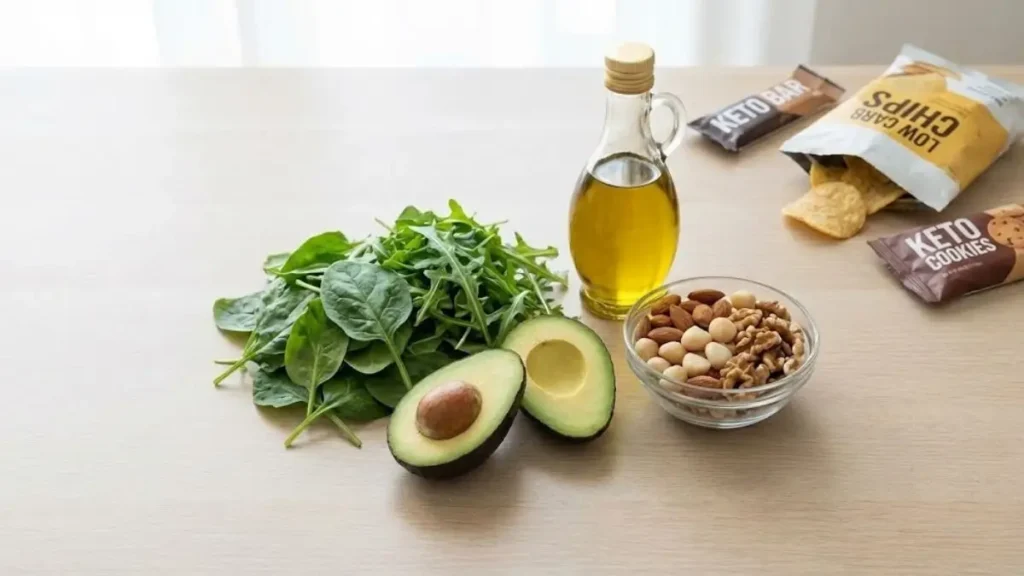
Table of Contents
Mistake 1 – Cutting Carbs Too Aggressively
One of the most common mistakes beginners make on Keto is cutting carbohydrates too quickly and too drastically. Understanding the Keto food mistakes beginners make helps new dieters recognize these patterns and transition more smoothly into the Keto 2.0 approach.
Many people jump straight from a high-carb diet to extreme carb restriction overnight. This sudden change can lead to fatigue, headaches, low energy, cravings, and what’s often referred to as the “keto flu.” As a result, beginners may feel discouraged and assume Keto simply isn’t for them.
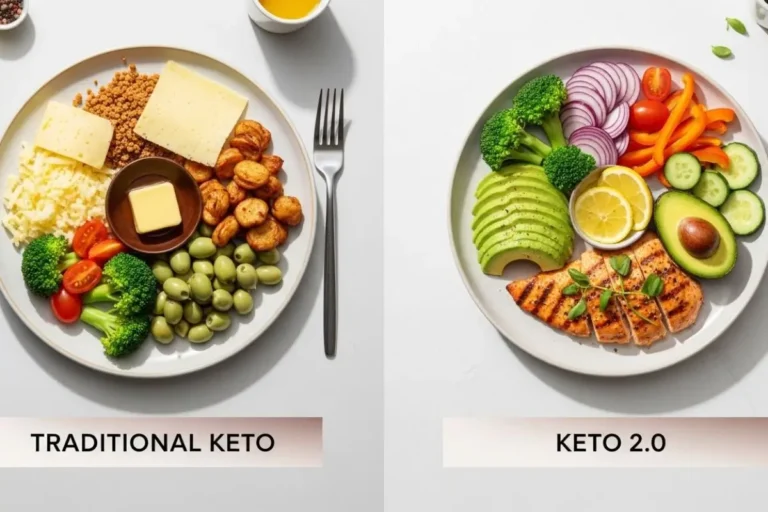
Traditional keto often promotes very strict carb limits from day one.
Keto 2.0 takes a smarter approach.
Instead of eliminating carbs aggressively, Keto 2.0 focuses on reducing carbs gradually and strategically. The emphasis is placed on removing refined sugars, processed foods, and empty carbs first — while keeping nutrient-dense, fiber-rich foods in the diet.
This gradual transition helps your body adapt more comfortably, reduces unnecessary stress, and makes the lifestyle far easier to maintain long term.
The goal isn’t shock — it’s sustainability.
Mistake 2 – Fear of Healthy Fats
One of the most common mistakes beginners make on Keto 2.0 is being afraid of healthy fats.
After years of hearing that fat is “bad,” many people start keto while still trying to avoid fats. They choose ultra-lean foods, skip oils, and worry that eating fat will automatically lead to weight gain. Unfortunately, this approach often leads to low energy, constant hunger, and poor results.
Many beginners struggle because they don’t know which foods truly support Keto 2.0. You can find a clear breakdown in our beginner-friendly Keto 2.0 food list .On Keto 2.0, healthy fats are not the enemy — they are a key part of how this way of eating works.
Healthy fats help your body:
- Stay satisfied between meals
- Support stable energy levels
- Absorb fat-soluble vitamins
- Transition more smoothly into fat adaptation
The problem isn’t fat itself — it’s poor-quality fats and overeating them without balance.
How Keto 2.0 Handles Fats Differently ?
Unlike traditional keto, Keto 2.0 does not encourage extreme fat loading or “fat bombs.”
Instead, it focuses on intentional, high-quality fat choices that support health and sustainability.
On Keto 2.0:
- Fats are used to support meals, not dominate them
- Quality matters more than quantity
- Protein and fiber remain central to satiety
- You learn to listen to hunger cues instead of forcing fat intake
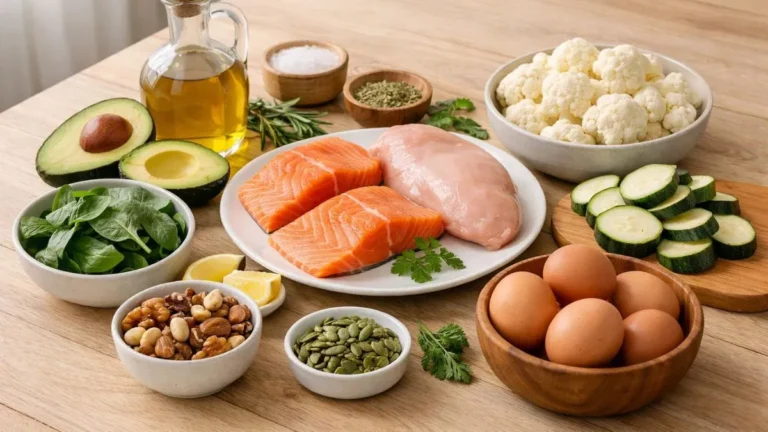
Examples of healthy fats commonly included on Keto 2.0:
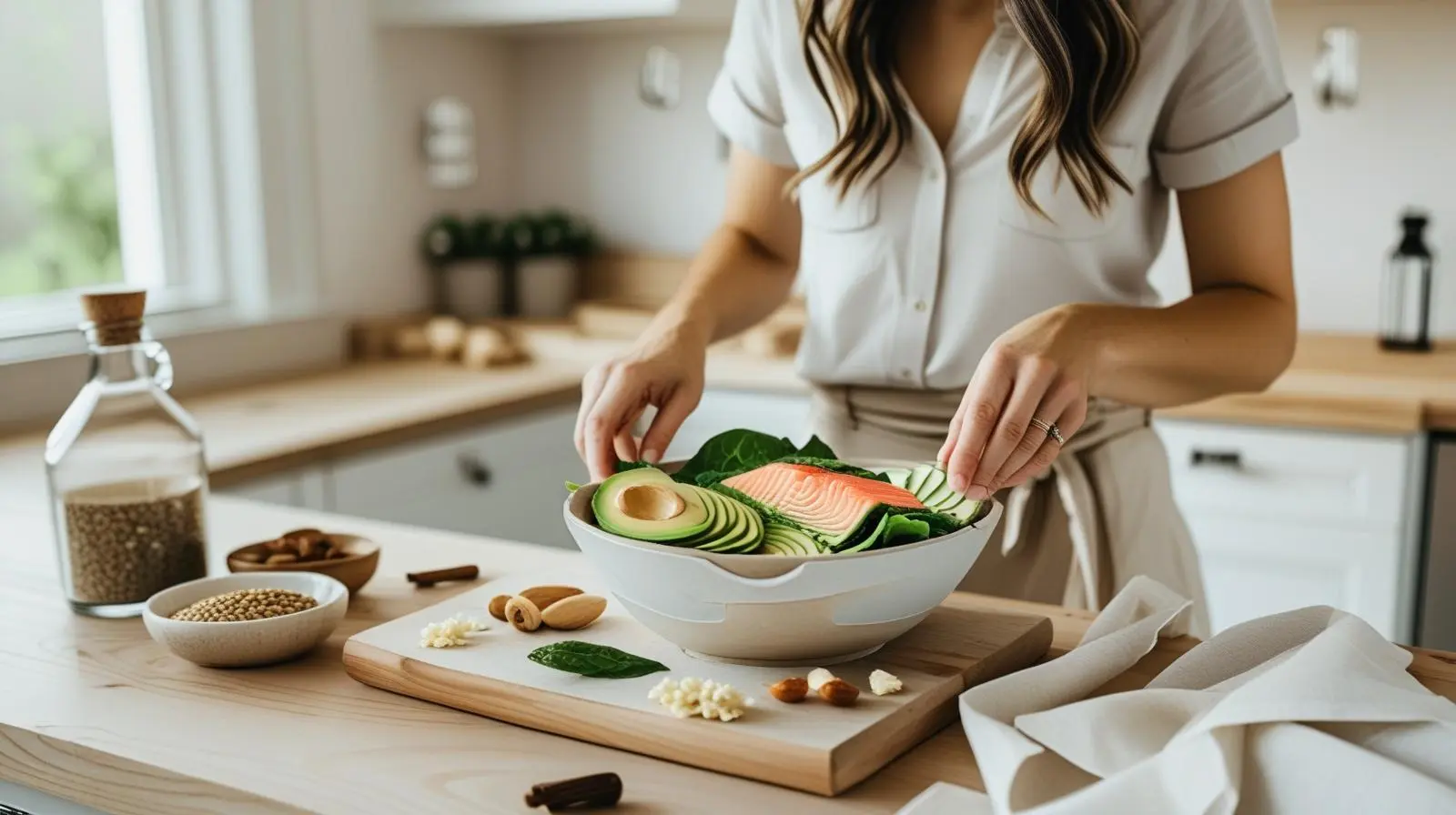
- Olive oil and avocado oil
- Avocados
- Nuts and seeds (in moderate portions)
- Fatty fish like salmon
- Natural fats from whole foods
By choosing the right fats and using them wisely, beginners can avoid fatigue, cravings, and frustration — while still supporting fat metabolism and long-term success.
Keto 2.0 teaches balance, not fear.
When healthy fats are used correctly, they become a powerful tool instead of something to avoid.
Mistake 3 – Overcomplicating Meals and Macros
One of the most common reasons beginners quit keto early is overcomplication.
Many people believe they must:
- Track every gram of carbs, fat, and protein
- Calculate precise macro percentages
- Follow complex meal plans with hard-to-find ingredients
This often leads to stress, confusion, and burnout — especially for beginners.
Why This Is a Problem on Traditional Keto
Traditional keto frequently emphasizes strict macro ratios and constant tracking.
While this may work for advanced users, it can be overwhelming for beginners who are still learning how low-carb eating works.
Instead of focusing on food quality and habits, beginners end up:
- Obsessing over numbers
- Feeling anxious about every meal
- Giving up when things feel “too hard”
How Keto 2.0 Simplifies the Process
Keto 2.0 removes unnecessary complexity and focuses on structure, not perfection.
Rather than strict macro tracking, Keto 2.0 encourages:
- Building meals around whole, low-carb foods
- Prioritizing protein and fiber first
- Using healthy fats naturally, not mathematically
- Following simple plate guidelines instead of calculators
For beginners, this approach is:
- Easier to start
- Easier to maintain
- More realistic for everyday life
You don’t need to count every macro to succeed on Keto 2.0.
You need consistency, simplicity, and smart food choices.
Keto 2.0 is designed to fit your life — not turn eating into a math exam.
Mistake 4 – Not Eating Enough Fiber on Keto
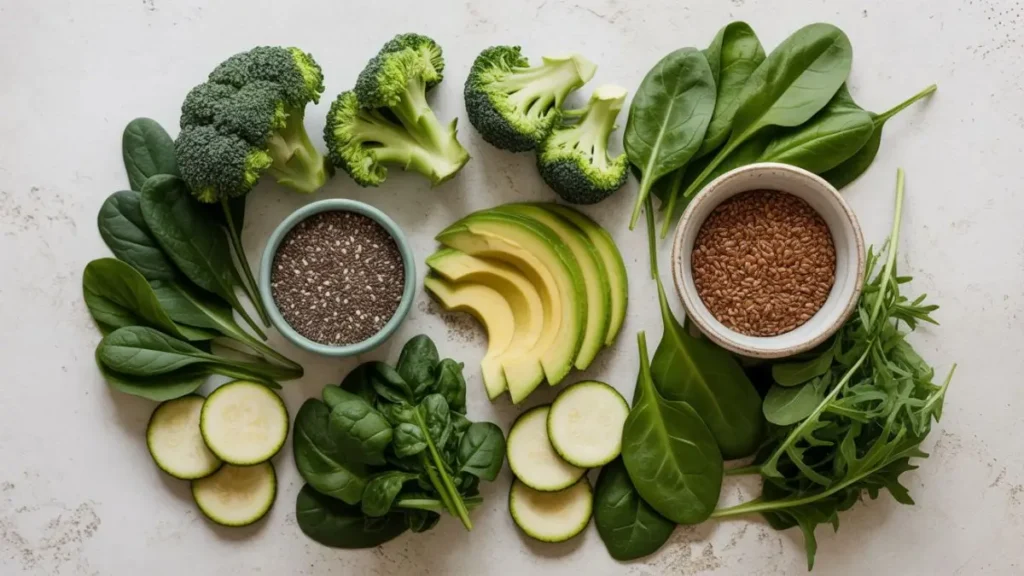
One of the most overlooked mistakes beginners make on keto is not getting enough fiber. Recognizing the Keto food mistakes beginners make helps new dieters understand why fiber is essential and how to maintain it while staying low-carb.
When people first start keto, they often focus only on cutting carbs. As a result, they may reduce or completely eliminate fiber-rich foods by accident — especially vegetables. This can lead to digestive discomfort, low energy, cravings, and poor long-term adherence.
Traditional keto advice sometimes reinforces this mistake by emphasizing strict carb limits without clarifying that fiber-rich, low-carb vegetables are essential for health and sustainability.
According to research published by Harvard Health, dietary fiber plays a crucial role in digestion, blood sugar control, and metabolic health .Why Fiber Matters on Keto 2.0
Fiber plays a crucial role in digestive health, blood sugar regulation, and appetite control. On Keto 2.0, fiber is not something to fear — it’s something to prioritize.
Adequate fiber intake helps:
- Support healthy digestion and gut function
- Reduce constipation, a common keto complaint
- Improve satiety and reduce cravings
- Support stable energy levels
- Promote long-term metabolic health
Without enough fiber, beginners may feel bloated, fatigued, or frustrated — leading many to abandon keto too early.
How Keto 2.0 Fixes This Mistake
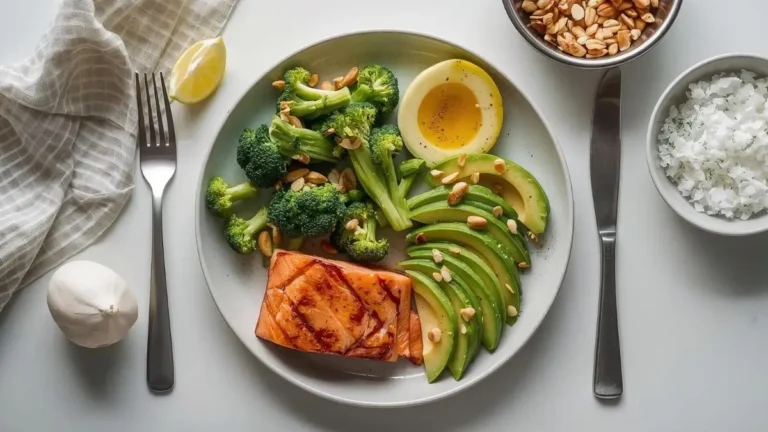
Unlike traditional keto, Keto 2.0 intentionally includes fiber-rich, low-carb vegetables as a foundation of every meal.
Instead of eliminating vegetables, Keto 2.0 encourages:
- Leafy greens (spinach, kale, arugula)
- Cruciferous vegetables (broccoli, cauliflower, Brussels sprouts)
- Zucchini, cucumber, asparagus, and peppers
- Seeds and nuts in moderate amounts
By prioritizing these foods, Keto 2.0 supports digestion while keeping carbs controlled — without compromising results.
Beginner Tip
If you’re new to Keto 2.0, aim to include at least one fiber-rich vegetable at every meal. This simple habit improves digestion, keeps meals satisfying, and makes keto far easier to maintain long term.
Mistake 5 – Ignoring Electrolytes and Hydration on Keto

One of the most overlooked mistakes beginners make on keto is not paying attention to hydration and electrolytes.
When you reduce carbohydrates, your body naturally releases more water and sodium. This is normal — but if electrolytes are not replenished properly, it can lead to unpleasant symptoms often called the “keto flu.”
Why Electrolytes Matter on Keto 2.0
Electrolytes like sodium, potassium, and magnesium play a key role in:
- Muscle function
- Nerve signaling
- Energy levels
- Blood pressure balance
Without enough electrolytes, beginners may experience:
- Fatigue and weakness
- Headaches
- Dizziness
- Muscle cramps
- Brain fog
Many people mistakenly believe these symptoms mean keto “doesn’t work for them,” when in reality, it’s often just an electrolyte imbalance.
How Keto 2.0 Solves This Problem
Unlike traditional keto, Keto 2.0 emphasizes awareness instead of restriction.
Instead of forcing extreme water intake or relying on supplements immediately, Keto 2.0 encourages:
- Drinking water consistently throughout the day
- Salting food adequately with quality salt
- Including electrolyte-rich foods naturally
Examples of Keto 2.0–friendly electrolyte sources include:
- Leafy greens (for potassium and magnesium)
- Avocados
- Bone broth or lightly salted soups
- Nuts and seeds (in moderate portions)
The goal is balance — not overcompensation.
Beginner Tip
If you feel tired, dizzy, or “off” during your first days on Keto 2.0, don’t panic.
Before quitting or cutting more carbs, check these basics first:
- Are you drinking enough water?
- Are you salting your food properly?
- Are you eating enough vegetables?
Most beginners feel significantly better once hydration and electrolytes are addressed.
Mistake 6 – Expecting Immediate Results and Giving Up Too Soon
One of the biggest mistakes beginners make on Keto is expecting instant results — and quitting too early when progress feels slow.
Many people start Keto with high expectations:
- Rapid weight loss
- Immediate energy boost
- Perfect ketosis within days
When these results don’t appear right away, frustration sets in — and motivation drops.
ow Keto 2.0 Fixes This
Keto 2.0 encourages a realistic, long-term mindset.
Instead of chasing quick fixes, Keto 2.0 focuses on:
- Gradual metabolic adaptation
- Sustainable fat loss
- Improved energy and digestion over time
- Building habits you can maintain for months, not days
Your body needs time to adjust to burning fat efficiently — especially if you’re coming from a high-carb lifestyle.
If you want a simple, stress-free way to avoid these mistakes, our Free Keto 2.0 Starter Guide walks you through the basics step by step.With Keto 2.0, progress is measured by consistency, not perfection.
Final Takeaway: How to Avoid These Keto Food Mistakes
Starting Keto doesn’t have to feel overwhelming or restrictive.
Most beginner mistakes come from:
- Overthinking food choices
- Following outdated “strict keto” rules
- Ignoring fiber, hydration, and balance
- Expecting unrealistic results
Keto 2.0 was designed to remove these barriers.
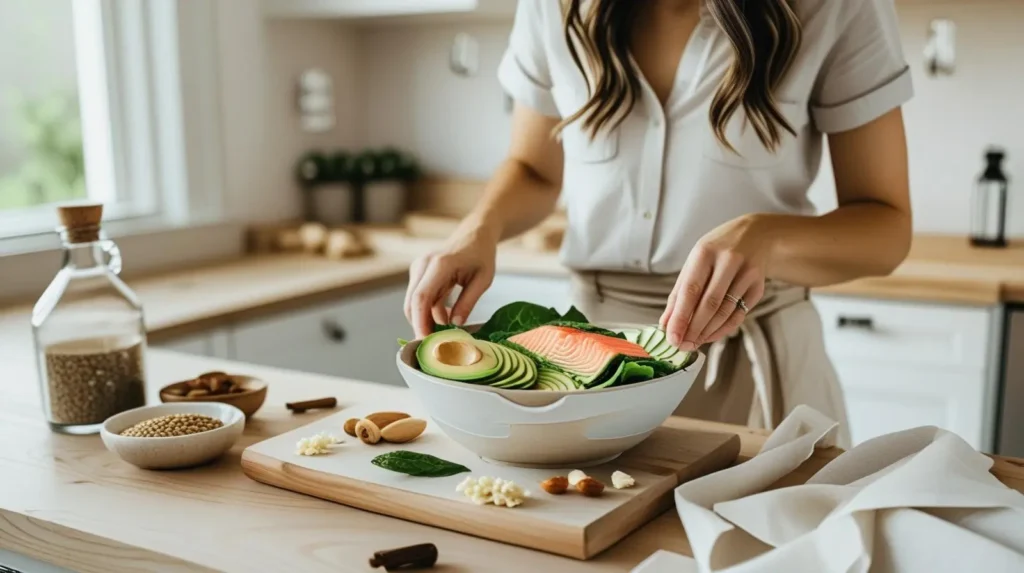
By focusing on simple food swaps, flexible structure, and sustainable habits, Keto 2.0 helps beginners avoid common pitfalls and build a healthier low-carb lifestyle that actually lasts.
Avoiding these mistakes becomes much easier when you follow a clear structure. That’s why we recommend starting with our Keto 2.0 for Beginners guide .Ready to Start Keto 2.0 the Right Way?
Keto 2.0 is not about restriction — it’s about building a sustainable lifestyle you can actually maintain. By avoiding common beginner mistakes and focusing on smart food choices, you can start with confidence and clarity.
If you want a simple starting point, download the free guide below to begin your Keto 2.0 journey the right way.
Download the Free Keto 2.0 Starter Guide →


4 Comments
Comments are closed.