Keto Desserts for Beginners: Easy, Low-Carb & Guilt-Free Treats
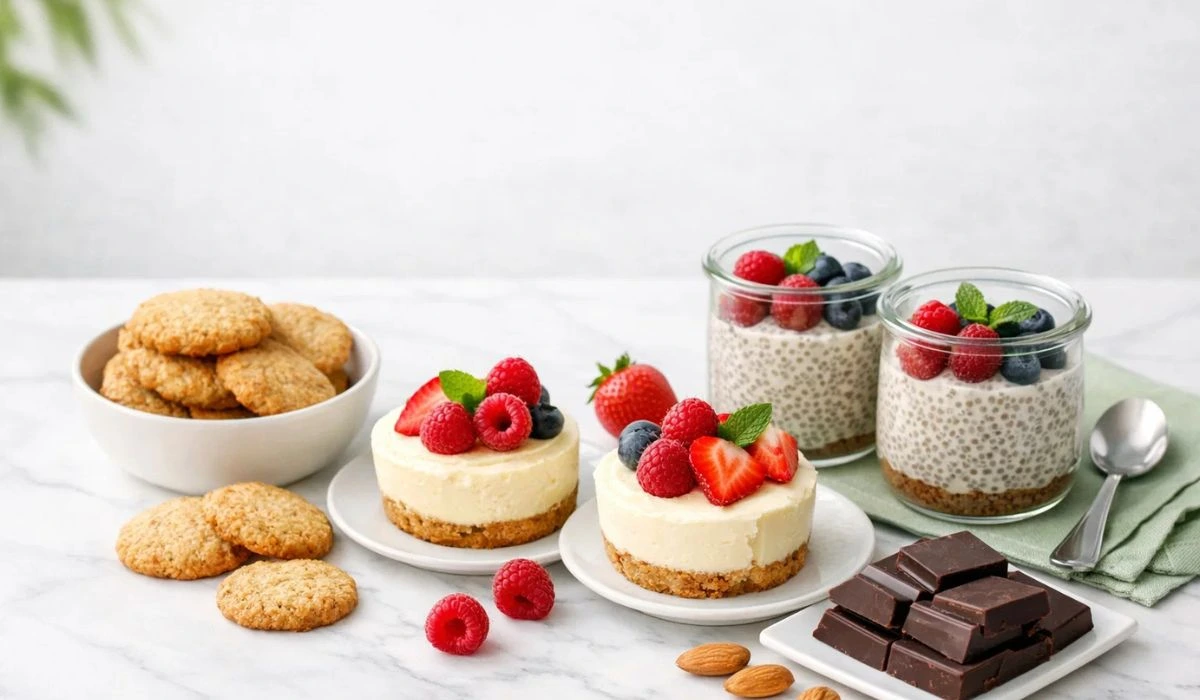
Keto desserts for beginners may sound too good to be true — after all, isn’t the ketogenic diet supposed to eliminate sweets completely? The truth is, when done correctly, keto doesn’t mean giving up dessert forever. It means choosing smarter ingredients, reducing sugar, and understanding how low-carb treats can fit into a balanced lifestyle.
Many people quit keto because they feel restricted and deprived. But with the Keto 2.0 approach, desserts are not about excess or “fat bombs” — they’re about moderation, quality ingredients, and sustainability. By focusing on low net carbs, natural sweeteners, and simple recipes, you can enjoy satisfying treats without sabotaging your progress.You can explore more structured ideas inside our keto recipes collection, where you’ll find beginner-friendly dessert options and practical meal ideas.
In this guide, you’ll discover how keto desserts actually work, what makes them beginner-friendly, and how to enjoy them the smart way.
Table of Contents
Can You Really Eat Desserts on Keto?
Traditional desserts are loaded with refined sugar and high-carb flours that quickly spike blood glucose levels and disrupt ketosis.According to research discussed by Harvard Health, diets high in refined sugars can contribute to blood sugar instability and long-term metabolic stress. However, keto-friendly desserts are designed differently. They replace sugar with low-carb sweeteners, swap wheat flour for almond or coconut flour, and prioritize nutrient-dense ingredients.
The key is understanding that keto desserts are not “free foods.” They still contain calories and carbohydrates, even if reduced. The goal isn’t to eat unlimited sweets, but to enjoy occasional low-carb treats that fit within your daily carb target.
With a balanced Keto 2.0 mindset, desserts become part of a sustainable lifestyle — not a cheat meal, and not a daily indulgence, but a strategic way to stay consistent without feeling deprived.
What Makes a Dessert Keto-Friendly?
Not all “low-carb” desserts are truly keto-friendly. To fit into a ketogenic lifestyle — especially a balanced Keto 2.0 approach — a dessert must meet specific nutritional and ingredient criteria.
Here’s what defines a proper keto dessert:
Low Net Carbs
The foundation of any keto dessert is keeping carbohydrates low — particularly net carbs (total carbs minus fiber).
Most beginner-friendly keto desserts contain between 2–6 grams of net carbs per serving, depending on the ingredients used. This helps maintain ketosis while still allowing room for vegetables and protein in your daily intake.
Sugar-Free Sweeteners
Traditional sugar is not keto-friendly. Instead, keto desserts rely on low-carb sweeteners such as:
- Erythritol
- Monk fruit
- Stevia
- Allulose
These alternatives provide sweetness without significantly impacting blood sugar levels. However, moderation is key, as excessive use can cause digestive discomfort for some people.
Low-Carb Flour Alternatives
Wheat flour is high in carbohydrates and unsuitable for keto baking. Common replacements include:
- Almond flour
- Coconut flour
- Flaxseed meal
These alternatives reduce carb content while adding healthy fats and fiber.
Balanced Fat Content (Keto 2.0 Approach)
Traditional keto often emphasized very high-fat “fat bombs.” In contrast, Keto 2.0 encourages a more balanced approach — prioritizing quality protein and whole ingredients rather than excessive fat intake.
A keto-friendly dessert should support your overall daily macro balance, not overwhelm it.
Portion Awareness
Even low-carb desserts can slow progress if eaten in large quantities. Portion control remains essential for beginners aiming for sustainable results.
The goal isn’t perfection — it’s consistency.
Easy Keto Desserts for Beginners
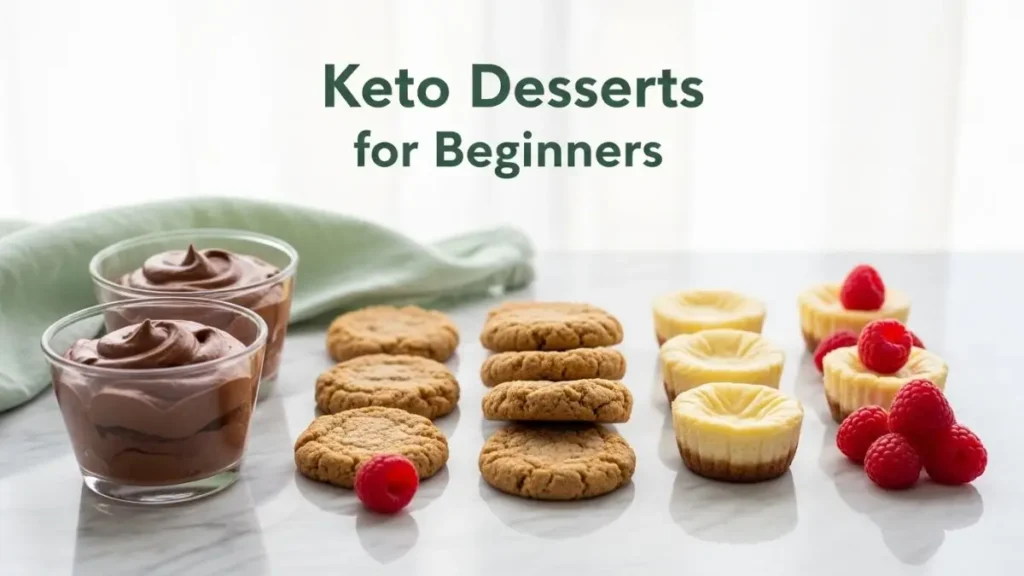
Starting with keto desserts doesn’t require complicated baking techniques or expensive ingredients. In fact, the best beginner-friendly keto desserts are simple, quick, and built around whole-food alternatives.
If you’re just getting started, our keto for beginners guides can help you understand how desserts fit into a balanced low-carb plan.
Here are some easy options that fit perfectly into a balanced Keto 2.0 lifestyle:
No-Bake Keto Desserts
No-bake recipes are ideal for beginners because they require minimal preparation and fewer ingredients.
Examples include:
- Keto chocolate avocado mousse
- No-bake peanut butter bites
- Chia pudding with unsweetened almond milk
- Greek yogurt with berries and crushed nuts
These desserts are easy to portion and typically lower in carbs, making them great for staying consistent.
5-Ingredient Quick Keto Treats
Simple recipes reduce overwhelm — which is crucial when starting keto.
Beginner-friendly ideas include:
- Almond flour cookies
- Coconut flour mug cake
- Dark chocolate (85%+) with almond butter
- Frozen berry and whipped cream bowls
These options prove that keto desserts don’t need to be complicated to be satisfying.
Keto Chocolate Desserts
Chocolate cravings are common when transitioning to keto. The key is choosing low-sugar or sugar-free versions.
Look for:
- 85–100% dark chocolate
- Cocoa powder without added sugar
- Homemade keto brownies made with almond flour
When consumed in moderation, chocolate-based keto desserts can help reduce cravings without disrupting ketosis.
Single-Serve Keto Desserts
One of the biggest beginner mistakes is overeating even low-carb treats. Single-serve recipes solve that problem.
Examples:
- Mug cakes
- Mini cheesecakes
- Small chia jars
- Individual fat-free Greek yogurt bowls
Portion-friendly desserts support long-term consistency — which is exactly what Keto 2.0 promotes.
Keto 2.0 Dessert Philosophy (A Balanced Approach)
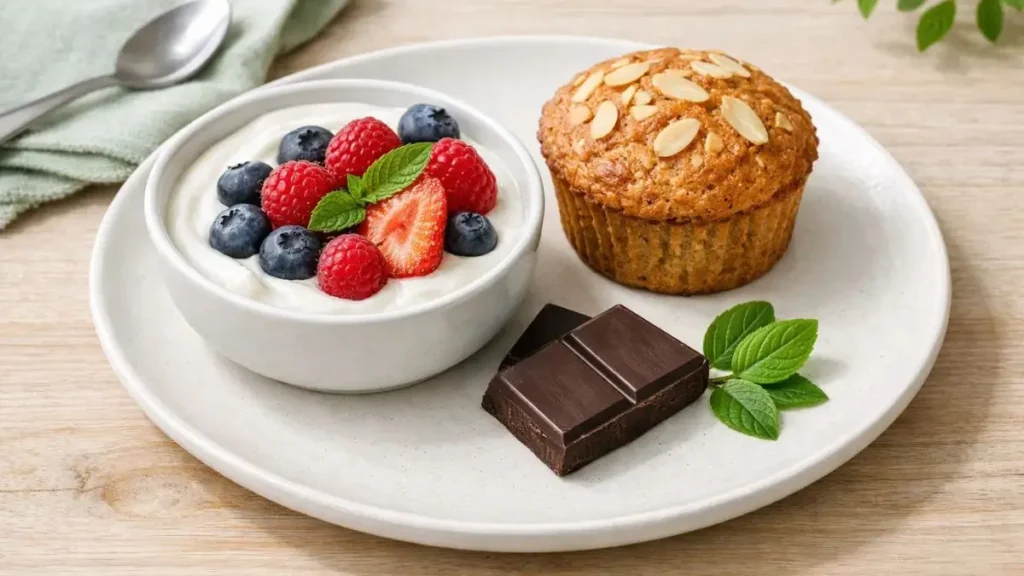
Keto 2.0 isn’t about eliminating pleasure — it’s about redefining it.
While traditional keto often promoted extremely high-fat “fat bombs” and heavy cream-based desserts, the Keto 2.0 philosophy focuses on balance, ingredient quality, and long-term sustainability. Desserts are not daily staples, nor are they forbidden. They are mindful additions to a structured low-carb lifestyle.
Here’s what makes the Keto 2.0 approach different:
Quality Over Quantity
Instead of chasing ultra-rich, high-calorie treats, Keto 2.0 encourages:
- Whole-food ingredients
- Natural low-carb sweeteners
- Minimal processing
- Real portion awareness
The goal is to satisfy cravings without creating dependency on hyper-sweet flavors.
Protein-Supported Desserts
Unlike traditional keto, which prioritizes fat above all else, Keto 2.0 emphasizes adequate protein intake.
Examples of balanced desserts include:
- Greek yogurt bowls with berries
- Protein-enhanced chia pudding
- Almond flour muffins with added collagen
This helps stabilize appetite and supports muscle retention — especially important for beginners.
Sustainability Over Perfection
Many people abandon keto because they feel restricted. Keto 2.0 recognizes that psychological sustainability matters.
Allowing structured, low-carb desserts:
- Reduces binge cycles
- Lowers feelings of deprivation
- Supports long-term adherence
- Makes keto realistic in social settings
It’s not about “cheat meals.”
It’s about consistency without extremes.
Dessert as a Tool — Not a Habit
In Keto 2.0, desserts are strategic — not emotional coping mechanisms.
When used intentionally, they:
- Help manage cravings
- Prevent all-or-nothing thinking
- Support a balanced lifestyle
This mindset shift is what separates short-term dieting from long-term success.
Common Mistakes with Keto Desserts (And How to Avoid Them)
Even beginner-friendly keto desserts can slow your progress if approached incorrectly. Many people assume that “low-carb” automatically means unlimited — but that’s not how sustainable keto works.
Here are the most common mistakes — and how to avoid them.
Overeating Low-Carb Treats
Just because a dessert is low in net carbs doesn’t mean it’s calorie-free. Almond flour, nut butters, and sugar substitutes still contain energy.
How to avoid it:
Stick to single-serve portions and treat keto desserts as occasional additions — not daily staples.
Relying Too Much on Sweeteners
Constant exposure to very sweet flavors can maintain sugar cravings, even if blood sugar remains stable.
How to avoid it:
Gradually reduce sweetness levels and choose natural, mild sweeteners like monk fruit or erythritol in moderate amounts.
Eating “Fat Bombs” Excessively
Traditional keto often promoted high-fat desserts loaded with butter, cream cheese, and coconut oil. While technically low-carb, they can be extremely calorie-dense.
How to avoid it:
Adopt the Keto 2.0 balanced approach — focus on protein, fiber, and controlled fat intake rather than maximizing fat at all costs.
Ignoring Ingredient Quality
Some packaged “keto desserts” are highly processed and filled with artificial additives.
How to avoid it:
Prioritize simple ingredient lists. The fewer ingredients, the better. Whole-food-based desserts are more aligned with a sustainable keto lifestyle.
Using Desserts as Emotional Rewards
One subtle mistake beginners make is using keto desserts to compensate for restriction. This can create unhealthy patterns similar to traditional dieting.
How to avoid it:
Shift your mindset. Desserts are part of the plan — not a reward for “being good.”
FAQ — Keto Desserts for Beginners
Can keto desserts kick you out of ketosis?
Yes, they can — if consumed in excess.
While keto desserts are designed to be low in net carbs, overeating them can raise your total carbohydrate intake for the day. Portion control is essential. When eaten mindfully and within your daily carb limit, keto desserts can fit into a ketogenic lifestyle without disrupting ketosis.
What is the best sweetener for keto desserts?
The most commonly recommended sweeteners for keto desserts are:
Monk fruit
Erythritol
Allulose
Stevia
These options have minimal impact on blood sugar levels. However, individual tolerance varies, so it’s important to test what works best for you.
Are keto desserts good for weight loss?
Keto desserts can support weight loss if consumed in moderation.
They may help reduce feelings of deprivation and prevent binge eating. However, they are not magic weight-loss foods. Sustainable results depend on overall calorie balance, protein intake, and long-term consistency.
How often can beginners eat keto desserts?
There’s no universal rule. For most beginners, enjoying keto desserts a few times per week — rather than daily — helps maintain balance.
The Keto 2.0 philosophy encourages sustainability over strict restriction. Occasional structured treats are part of the plan, not a deviation from it.
Are store-bought keto desserts healthy?
Not always.
Some packaged keto products contain artificial additives, low-quality fats, and hidden carbohydrates. Reading ingredient labels carefully is essential. Whenever possible, homemade keto desserts offer better control over quality and portion size.
Conclusion: Enjoy Keto Desserts the Smart Way
Keto desserts for beginners don’t have to be complicated, extreme, or restrictive. When built around low net carbs, quality ingredients, and balanced portions, they can become a sustainable part of your ketogenic lifestyle.
The key is mindset.
Keto 2.0 isn’t about eliminating pleasure — it’s about redefining it. Instead of relying on heavy, high-fat “fat bombs,” this smarter approach prioritizes moderation, protein balance, and real-food ingredients. That’s what makes keto sustainable in the long run.
Desserts are not cheats.
They’re tools — when used intentionally.
If you focus on simplicity, portion awareness, and ingredient quality, you can enjoy satisfying low-carb treats without slowing your progress.
Ready to start? Explore our complete Keto Dessert Recipes and build your sustainable Keto 2.0 lifestyle — one smart treat at a time.