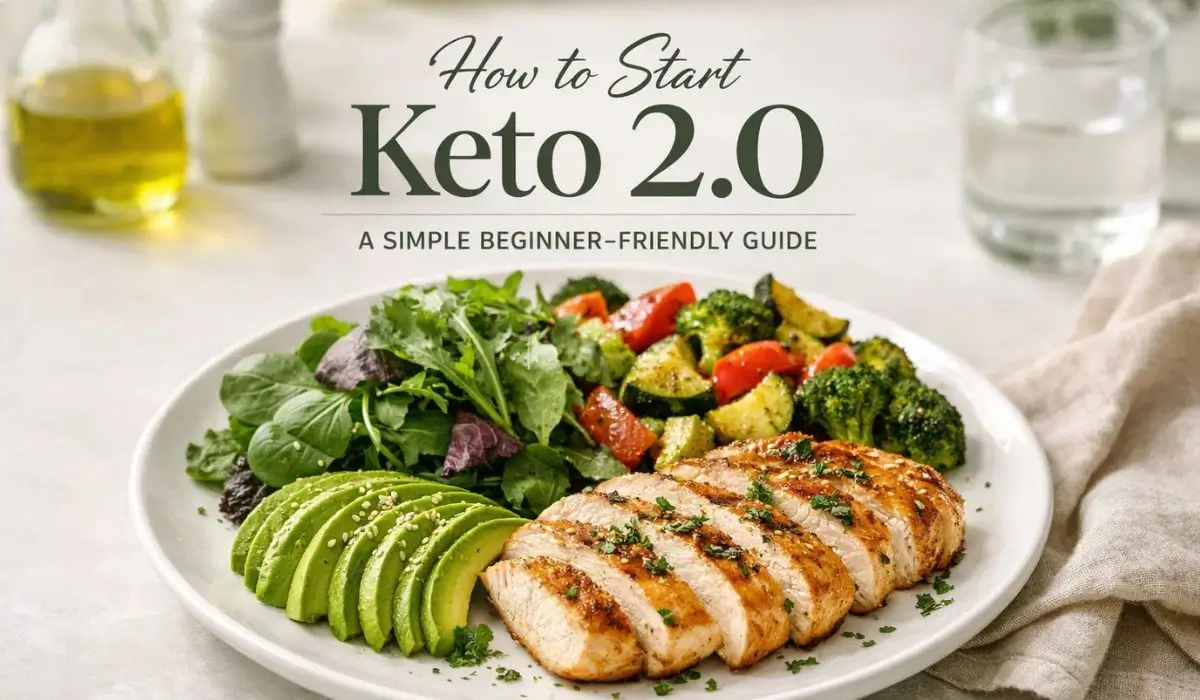
How to Start Keto 2.0: A Simple, Beginner-Friendly Guide
How to start Keto 2.0 is a question many beginners ask when they feel overwhelmed by strict macro rules and complicated diet plans. Unlike traditional keto, Keto 2.0 offers a simpler and more sustainable approach built around high-quality protein, nutrient-dense vegetables, and balanced healthy fats.
If you’re looking for a practical, beginner-friendly way to transition into a low-carb lifestyle without extreme restrictions, this guide will walk you through the exact steps to get started confidently and consistently.
In this guide, we’ll show you how to get started with Keto 2.0 step-by-step, without all the confusion. From simple food swaps to beginner-friendly meal ideas, we’ll cover everything you need to know to start your journey toward a healthier, low-carb lifestyle.
Table of Contents
Is This a Full 7-Day Keto 2.0 Plan?
This guide provides a simple and beginner-friendly overview of how to start Keto 2.0. If you’re looking for a structured day-by-day implementation plan for your first week, follow our detailed 7-day Keto 2.0 starter guide below.
Structured 7-Day Keto 2.0 Starter Plan
What Is Keto 2.0?
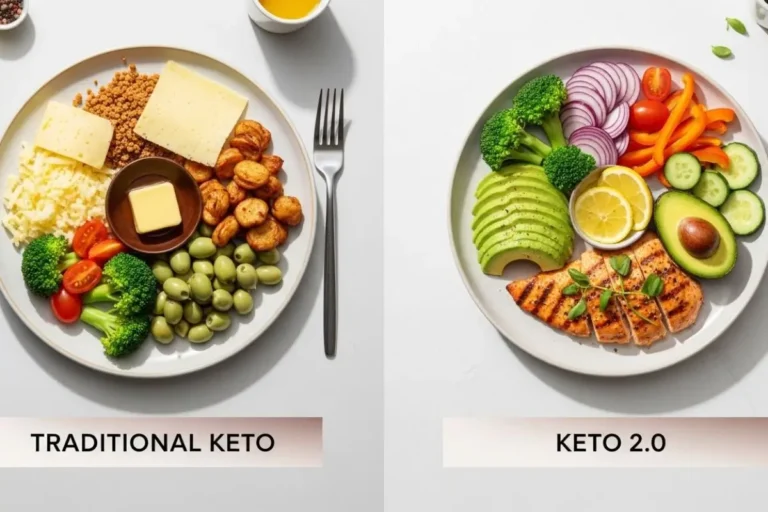
Keto 2.0 is a modern approach to the traditional ketogenic diet. Unlike traditional keto, which focuses heavily on high fat intake and very low carbs, Keto 2.0 introduces a more balanced macronutrient profile to make the diet more sustainable in the long term.
How It Works
While traditional keto typically includes 70-75% fat, 20-25% protein, and only 5-10% carbs, Keto 2.0 adjusts these ratios slightly to include:
- 50-60% fat
- 30-35% protein
- 10-20% carbs
This slight increase in protein intake allows for more muscle preservation and satiety while still encouraging the body to burn fat for fuel. Keto 2.0 is not about extreme carb restriction but about a sustainable low-carb lifestyle that fits seamlessly into your day-to-day routine.
Key Differences from Traditional Keto
- Protein: Keto 2.0 encourages more protein, which helps maintain muscle and improve satiety.
- Carbs: It allows a slightly higher carb intake, especially from nutrient-dense, low-carb vegetables, making the diet less restrictive.
- Flexibility: Keto 2.0 is designed to be more adaptable, so you can still enjoy meals with family and friends without feeling socially isolated.
- Sustainability: Unlike traditional keto, which can be difficult to maintain long term, Keto 2.0 focuses on a lifestyle that is both enjoyable and manageable for years to come.
5 Simple Steps to Get Started with Keto 2.0
Starting Keto 2.0 doesn’t require extreme restrictions or complicated tracking. By following a few structured steps, you can transition smoothly and build a sustainable low-carb lifestyle without overwhelm.
Here’s exactly how to start Keto 2.0 the smart way:
Step 1: Focus on Protein First
Unlike traditional keto, Keto 2.0 prioritizes high-quality protein.
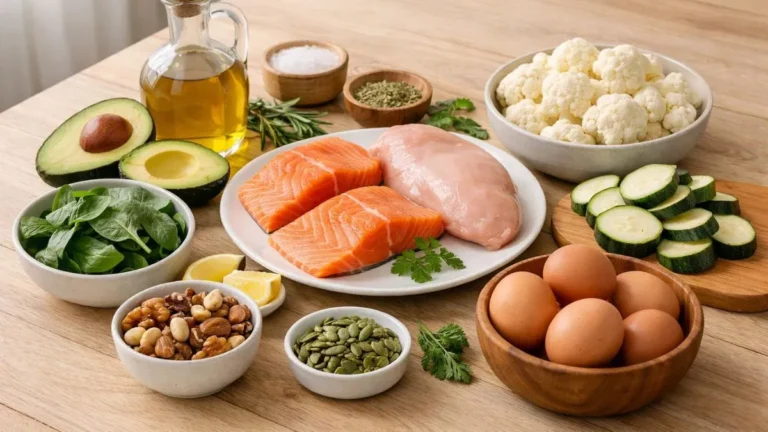
Start by building your meals around:
- Eggs
- Chicken breast or thighs
- Salmon and fatty fish
- Greek yogurt (unsweetened)
- Lean beef or turkey
Protein helps preserve muscle, control hunger, and stabilize energy levels — which makes the transition much easier for beginners.
👉 Instead of asking “How much fat should I eat?”, ask:
“Is this meal centered around quality protein?”
Step 2: Add Low-Carb Vegetables Generously
Keto 2.0 encourages more nutrient-dense vegetables than traditional keto.
Fill half your plate with:
- Spinach
- Zucchini
- Broccoli
- Cauliflower
- Bell peppers
- Leafy greens
This increases fiber intake, supports digestion, and makes meals more satisfying — without breaking your carb budget.
Step 3: Use Healthy Fats (But Don’t Overdo Them)
Fat is still important — but it’s not the main focus anymore.
Choose:
- Olive oil
- Avocado
- Nuts and seeds
- Grass-fed butter (in moderation)
Avoid the “fat bomb” mentality. Keto 2.0 is about balance, not forcing extra fat into every meal.
Step 4: Plan Simple Meals for the First Week
One of the biggest reasons people fail on keto is lack of planning.
Before starting:
- Create a 5–7 day meal outline
- Prepare a simple grocery list
- Keep meals repetitive and easy
For example:
Breakfast → Eggs + avocado
Lunch → Grilled chicken + salad
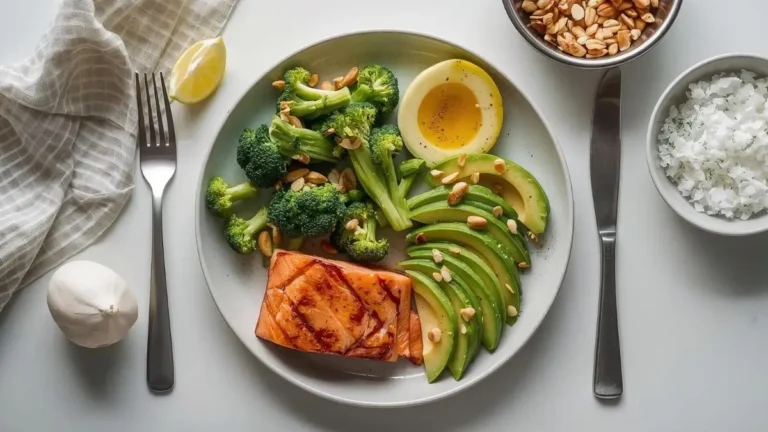
Dinner → Salmon + roasted vegetables
Simple beats perfect.
Step 5: Track Lightly — Don’t Obsess
You don’t need extreme macro tracking to succeed.
Instead:
- Aim for moderate carbs (around 50–100g depending on your body)
- Keep protein consistent
- Adjust fats based on hunger
Keto 2.0 works best when it feels sustainable, not restrictive.
Simple Food Swaps for a Smooth Keto 2.0 Start
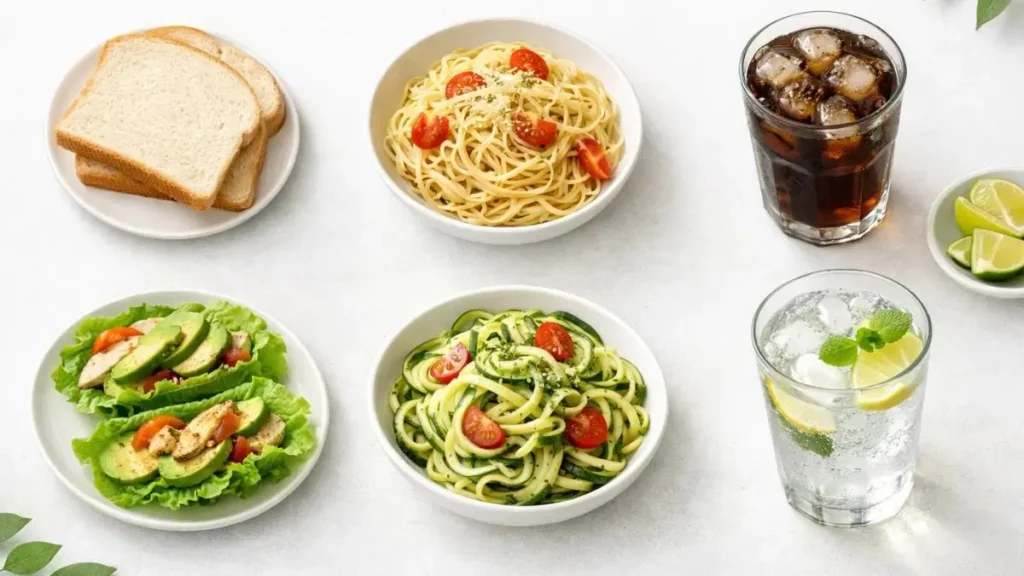
One of the easiest ways to start Keto 2.0 is not by cutting everything at once — but by making smart, simple food swaps.
Instead of overhauling your entire diet overnight, you can transition gradually by replacing high-carb staples with balanced, low-carb alternatives. This approach reduces frustration and makes the shift sustainable.
Here are the most effective swaps to begin with:
Swap 1: White Bread → Protein-Based or Low-Carb Options
Traditional bread spikes blood sugar and adds unnecessary carbs.
Try instead:
- Lettuce wraps
- Low-carb tortillas
- Cloud bread
- Almond flour bread
This keeps your meals satisfying without breaking your carb balance.
Swap 2: Rice & Pasta → Vegetable Alternatives
Rice and pasta are common staples, but they’re carb-dense.
Replace them with:
- Cauliflower rice
- Zucchini noodles (zoodles)
- Spaghetti squash
- Shirataki noodles
You’ll still enjoy familiar textures — with fewer carbs and more fiber.
Swap 3: Potatoes → Lower-Carb Vegetables
Potatoes are high in starch and can slow your progress.
Better options:
- Roasted cauliflower
- Turnips
- Radishes (great roasted!)
- Mashed cauliflower
These swaps preserve comfort-food satisfaction while aligning with Keto 2.0 principles.
Swap 4: Sugary Drinks → Zero-Sugar Hydration
Liquid sugar is one of the biggest hidden carb sources.
Switch to:
- Sparkling water with lemon
- Herbal tea
- Black coffee
- Electrolyte water (unsweetened)
Hydration plays a key role in reducing keto transition fatigue.
Swap 5: Processed Snacks → Whole-Food Options
Instead of ultra-processed keto snacks, focus on whole foods:
- Greek yogurt with chia seeds
- A handful of almonds
- Boiled eggs
- Cottage cheese
Keto 2.0 emphasizes food quality, not just carb count.
Why Food Swaps Work for Beginners
Making gradual swaps:
- Reduces cravings
- Improves long-term adherence
- Prevents the “all-or-nothing” mindset
- Makes Keto 2.0 feel realistic for everyday life
Small changes, done consistently, create lasting results.
Easy Meal Ideas for Beginners
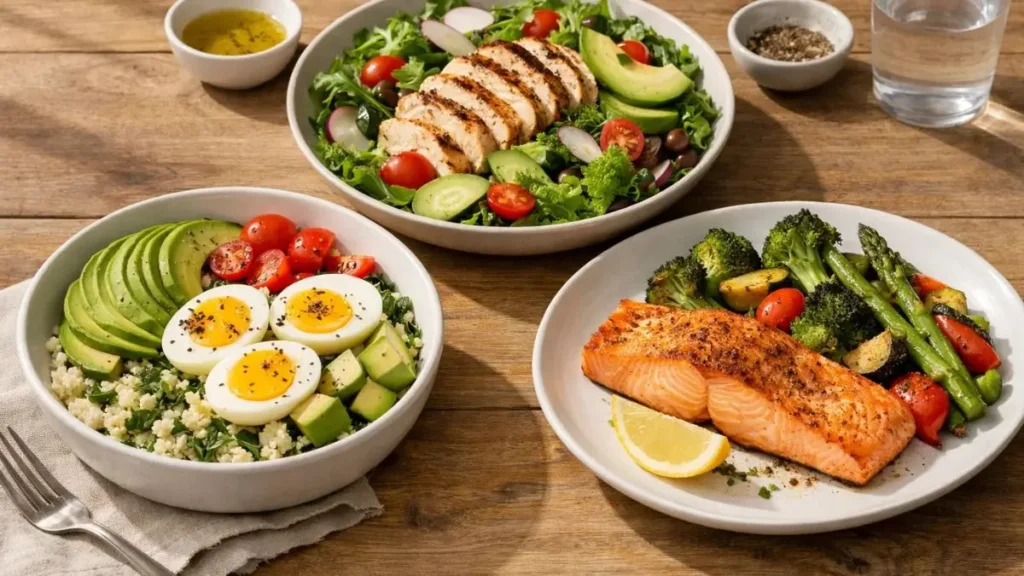
Starting Keto 2.0 becomes much easier when you keep your meals simple, repetitive, and balanced. You don’t need complicated recipes — just nutrient-dense ingredients combined in a smart way.
Here are beginner-friendly Keto 2.0 meal ideas you can use during your first week:
Breakfast Ideas
1. Avocado & Egg Power Bowl
Soft-boiled eggs, sliced avocado, spinach, olive oil drizzle, and sea salt.
High in protein and healthy fats, simple and satisfying.
2. Greek Yogurt Protein Bowl
Unsweetened Greek yogurt, chia seeds, crushed almonds, and a few berries.
Balanced, quick, and perfect for busy mornings.
Lunch Ideas
3. Grilled Chicken Salad
Grilled chicken breast, mixed greens, cucumber, cherry tomatoes, olive oil, and lemon dressing.
High protein, fiber-rich, and refreshing.
4. Salmon & Roasted Vegetables
Baked salmon with zucchini, broccoli, and bell peppers roasted in olive oil.
Rich in omega-3s and aligned with Keto 2.0 balance.
Dinner Ideas
5. Turkey & Cauliflower Skillet
Ground turkey sautéed with garlic, spinach, and cauliflower rice.
Simple one-pan meal, perfect for beginners.
6. Zucchini Noodles with Pesto Chicken
Grilled chicken over zucchini noodles with homemade pesto.
Comfort food without the carb overload.
Simple Snack Options
- Hard-boiled eggs
- Cottage cheese
- A handful of almonds
- Sliced cucumber with hummus (in moderation)
Why These Meals Work for Keto 2.0
Each meal follows the core Keto 2.0 structure:
- Protein first
- Low-carb vegetables
- Moderate healthy fats
- Minimal processed ingredients
This balance makes it easier to stay consistent without strict macro obsession.
If you’re looking for more structured meal inspiration, you can also explore beginner-friendly Keto recipes designed for real-life schedules.
How to Avoid Overwhelm with Keto 2.0

One of the biggest reasons people quit a new diet isn’t hunger — it’s overwhelm.
Too many rules.
Too much information.
Too many “perfect” macro calculations.
Keto 2.0 was designed specifically to reduce that pressure.
Here’s how to keep things simple from day one:
1️⃣ Start with Structure, Not Perfection
You don’t need perfect macro ratios to succeed.
Focus on:
- Protein first
- Add vegetables
- Use healthy fats moderately
That’s enough to begin.
Avoid the trap of trying to optimize everything during your first week.
2️⃣ Keep Your Meals Repetitive at First
Variety is nice — but simplicity builds consistency.
Choose:
- 2–3 breakfast options
- 3 lunch options
- 3 dinner options
Rotate them during the week.
Decision fatigue disappears when your plan is simple.
3️⃣ Don’t Fear Slight Carb Variations
Unlike traditional keto, Keto 2.0 allows flexibility.
If one day you eat slightly more carbs from vegetables — that’s okay.
Progress isn’t destroyed by one imperfect meal.
Consistency over weeks matters more than perfection in a single day.
4️⃣ Ignore Social Media Extremes
Many online keto influencers promote extreme fat loading, aggressive carb restriction, or unrealistic expectations.
Keto 2.0 is about:
- Balance
- Sustainability
- Real-life application
Not viral trends.
5️⃣ Focus on Habits, Not Quick Results
Your first goal is not rapid fat loss.
Your first goal is building habits.
Once habits stabilize, results follow naturally.
Why This Matters
When learning how to start Keto 2.0, reducing overwhelm is more important than optimizing macros.
The smoother the start, the stronger the long-term adherence.
And long-term adherence is what actually produces results.
How to Stay Consistent with Keto 2.0
Starting strong is important — but staying consistent is what delivers real results.
Keto 2.0 is built around sustainability. Unlike strict traditional keto, it allows enough flexibility to fit into real life — work schedules, family meals, and social events included.
Here’s how to stay consistent once you begin:
1️⃣ Plan Your Week Before It Starts
Consistency begins with preparation.
Before each week:
- Outline 3–4 simple dinners
- Prep protein in advance (chicken, eggs, salmon)
- Keep vegetables washed and ready
When healthy food is convenient, good decisions become automatic.
2️⃣ Build a Repeatable Meal Structure
Instead of reinventing your meals daily, use a simple formula:
Protein + Vegetables + Healthy Fat
For example:
- Grilled chicken + spinach + olive oil
- Salmon + zucchini + avocado
- Eggs + mushrooms + feta
This structure removes guesswork and simplifies daily choices.
3️⃣ Allow Flexibility Without Guilt
Keto 2.0 is not about perfection.
If you occasionally eat slightly more carbs from whole foods, adjust at the next meal and move forward.
Avoid the “I messed up, so I quit” mindset.
Consistency beats strictness.
4️⃣ Track Progress Beyond the Scale
Weight is only one indicator.
Also track:
- Energy levels
- Hunger control
- Sleep quality
- Mental clarity
- Waist measurements
These markers often improve before dramatic scale changes.
5️⃣ Use Structured Support When Needed
If planning becomes stressful, using a simple <a href=”https://www.ketovista2.com/category/keto-meal-plans/”>Keto 2.0 meal plan</a> can remove decision fatigue and increase long-term adherence.
Structure creates freedom.
Why Consistency Is the Real Secret
Many people searching “how to start Keto 2.0” focus only on the first week.
But success doesn’t come from a perfect start.
It comes from steady habits repeated over months.
And Keto 2.0 was specifically designed to make that possible.
Common Beginner Mistakes and How to Avoid Them
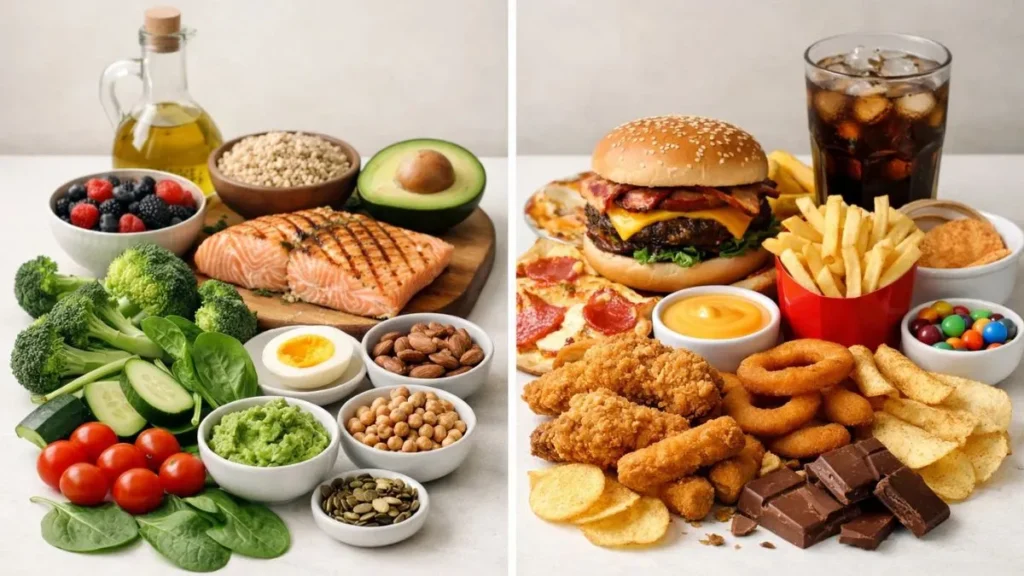
When learning how to start Keto 2.0, small mistakes can slow progress — but most of them are easy to fix.
Here are the most common beginner mistakes and how to avoid them from day one.
1️⃣ Eating Too Much Fat
Because traditional keto emphasizes high fat intake, many beginners assume more fat equals better results.
But Keto 2.0 focuses on balance.
How to avoid it:
Build your meals around protein first. Add healthy fats moderately — don’t force extra oils or “fat bombs” into your diet.
2️⃣ Not Eating Enough Protein
Some beginners under-eat protein out of fear of “ruining ketosis.”
In Keto 2.0, protein is essential for:
- Muscle preservation
- Satiety
- Stable energy
How to avoid it:
Aim for a quality protein source at every meal.
3️⃣ Cutting Carbs Too Aggressively
Extreme carb restriction can lead to fatigue, cravings, and frustration.
Keto 2.0 allows slightly more carbohydrates from nutrient-dense vegetables.
How to avoid it:
Focus on reducing processed carbs first — not eliminating every gram immediately.
4️⃣ Overcomplicating the Process
Trying to calculate perfect macro ratios, test ketones daily, or follow advanced strategies too soon can lead to burnout.
How to avoid it:
Keep your first weeks simple: protein + vegetables + moderate fats.
5️⃣ Expecting Instant Results
While some people see quick changes, sustainable results take time.
Impatience often leads to quitting too early.It’s also worth noting that highly restrictive diets can be difficult to maintain long term. According to Harvard Health Publishing, sustainability plays a crucial role in long-term dietary success. This is exactly why Keto 2.0 focuses on balance rather than extremes.
How to avoid it:
Measure consistency in weeks, not days. Focus on habits, not rapid scale drops.
Why Avoiding These Mistakes Matters
When you understand how to start Keto 2.0 correctly, you eliminate the biggest barriers to long-term success.
Most failures don’t happen because Keto 2.0 doesn’t work.
They happen because beginners overcomplicate it.
Keep it simple. Stay consistent. Adjust gradually.
New to Keto 2.0?
If you want a complete beginner-friendly explanation of what Keto 2.0 is and how it works before starting, read our full step-by-step guide here:
Keto 2.0 for Beginners: The Complete Step-by-Step Guide
Conclusion: Your Simple Path to Starting Keto 2.0
Learning how to start Keto 2.0 doesn’t require extreme restriction, complicated macro tracking, or dramatic lifestyle changes.
It starts with small, smart adjustments:
- Prioritizing quality protein
- Adding nutrient-dense vegetables
- Using healthy fats in moderation
- Keeping meals simple and repeatable
- Focusing on consistency over perfection
Keto 2.0 is designed to be flexible, sustainable, and realistic — especially for beginners who want real results without burnout.
You don’t need to overhaul your life overnight.
You just need a clear starting point and a simple structure to follow.
And once those habits become automatic, progress follows naturally.
Staying hydrated is an important part of Keto 2.0. Using a reusable water bottle can make it easier to track your daily water intake and build healthy habits. Check out our guide to the best water bottles for keto beginners.
Ready to Start Keto 2.0 the Smart Way?
If you want a structured, beginner-friendly roadmap that removes guesswork and simplifies your first weeks, download your free Keto 2.0 Starter Guide here and start building a sustainable low-carb lifestyle today.
No overwhelm.
No extremes.
Just a smarter way to do keto.


3 Comments
Comments are closed.