
How to Start Keto 2.0 Safely (Your First 7 Days Plan)
Instead of rushing into strict ketosis, Keto 2.0 focuses on a safe, gradual transition that supports your body, energy levels, and long-term success. The goal is not perfection during the first week — it’s stability, understanding, and confidence.
In this 7-day beginner-friendly guide, you’ll learn exactly how to start Keto 2.0 safely, what to focus on each day, and how to avoid common mistakes that often derail beginners. Understanding How to Start Keto 2.0 gives beginners a clear roadmap that makes the transition easier and more sustainable. By the end of the first week, you’ll feel more in control, less overwhelmed, and ready to continue with confidence.

Table of Contents
Who Is This 7-Day Keto 2.0 Plan For?
This structured 7-day Keto 2.0 plan is designed for beginners who prefer a clear, day-by-day roadmap to start safely and confidently.
If you need a broader beginner explanation of Keto 2.0 before following this implementation plan, read our complete step-by-step guide below:
Keto 2.0 for Beginners: Complete Guide
Why the First 7 Days of Keto 2.0 Matter
The first 7 days of Keto 2.0 are not about perfection or rapid weight loss — they are about setting the foundation for long-term success.
This initial phase is when your body begins adapting to lower carbohydrate intake, your habits start shifting, and your mindset around food begins to change. What you do during this first week can determine whether Keto 2.0 feels sustainable or overwhelming.
Many beginners fail not because keto doesn’t work, but because they rush the process, expect instant results, or follow extreme rules too early. Keto 2.0 takes a different approach by focusing on gradual adaptation, smart preparation, and realistic expectations.
When you start Keto 2.0 the right way during your first 7 days, you reduce common side effects, avoid burnout, and build confidence that carries into the weeks ahead.
The first week of keto is critical for metabolic adaptation, as your body transitions from glucose to fat as its primary fuel source. According to Harvard Health, ketogenic-style diets can influence metabolism and energy levels, especially during the initial adaptation phase.
What to Do Before You Start Keto 2.0
Before changing what you eat, it’s important to prepare both your mindset and your environment. Keto 2.0 works best when you start with clarity, not pressure.
Begin by understanding that Keto 2.0 is not an all-or-nothing diet. You don’t need to cut carbs overnight or track every macro from day one. The goal is progress, not perfection.
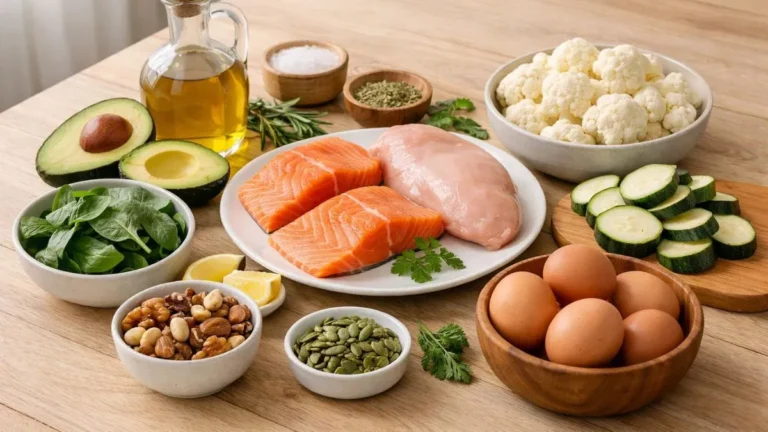
Next, take a look at your kitchen. Remove or limit highly processed, high-sugar foods that make low-carb eating difficult. Following the principles of How to Start Keto 2.0 helps you make these changes more intentionally and stay focused on sustainable habits. At the same time, stock simple Keto 2.0-friendly foods like eggs, vegetables, healthy fats, and clean protein sources.
Finally, set realistic expectations. Your first week is about learning, adjusting, and listening to your body. Weight changes may happen — or they may not — and that’s completely normal. Consistency matters more than speed at this stage.
Day-by-Day: Your First 7 Days on Keto 2.0
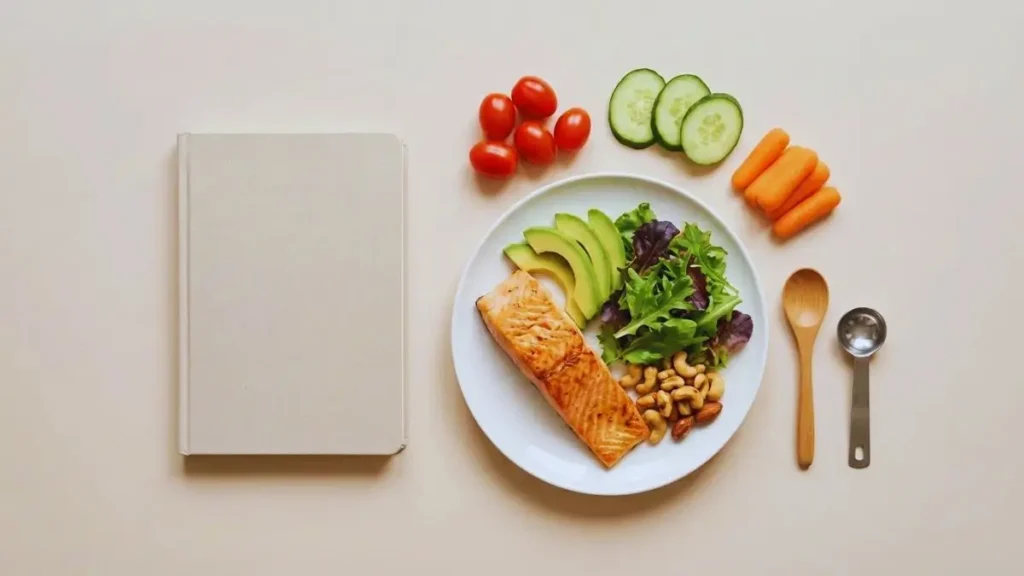
Day 1–2: Reset Your Mindset & Prepare Your Environment
🔹 1. Reset Your Mindset (Mental Reset)
The first two days of Keto 2.0 are not about strict carb limits or “doing everything right.”
They are about shifting your mindset.
Instead of thinking:
- “I must eat perfectly”
- “I must be in ketosis immediately”
Keto 2.0 encourages you to think:
- Progress over perfection
- Consistency over extremes
- Habits before macros
This mental reset helps reduce stress, prevent burnout, and avoid the all-or-nothing mentality that causes many beginners to quit early.
💡 Key reminder: Keto 2.0 is a long-term lifestyle, not a short-term challenge.
🔹 2. Clean Up Your Environment (Without Obsession)
Before changing what you eat, change what surrounds you.
During Days 1–2:
- Remove obvious high-sugar snacks from sight
- Reduce ultra-processed foods in your kitchen
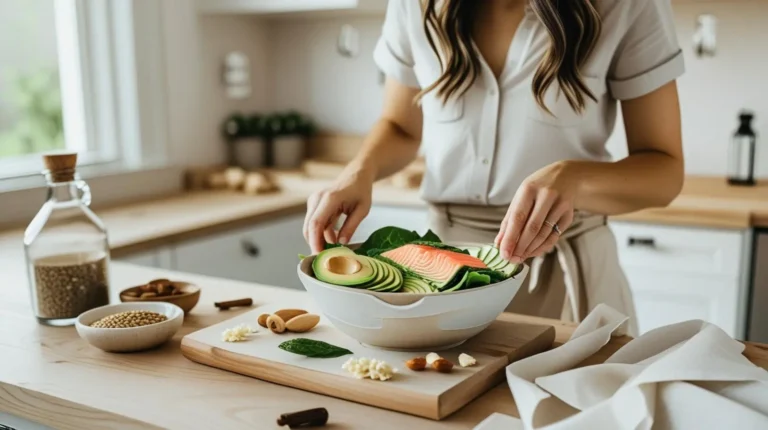
- Stock simple Keto 2.0 basics (eggs, vegetables, healthy fats, protein)
You don’t need to throw everything away or buy expensive products.
The goal is to make better choices easier, not harder.
Small environmental changes lead to big behavior shifts.
🔹 3. Hydration Comes First
Many beginners feel tired or unfocused early on—not because keto is “bad,” but because hydration is ignored.
During your first two days:
- Drink water consistently throughout the day
- Add a pinch of salt to meals if needed
- Avoid excessive caffeine
Proper hydration supports energy, digestion, and helps prevent common beginner symptoms.
🔹 4. Keep Meals Simple
On Days 1–2, complexity is your enemy.
Focus on:
- Simple protein + vegetables
- Healthy fats in moderation
- Familiar foods prepared in a cleaner way
There is no need to track macros yet.
Learning how to eat simply and consistently matters more at this stage.
✅ What Success Looks Like on Days 1–2 By the end of Day 2, success means:
- You feel mentally prepared
- Your kitchen supports your goals
- You’re hydrated and less stressed
- You’re ready to move forward calmly
No ketosis pressure.
No strict rules.
Just a strong foundation.
Day 3–4: Adjusting Your Meals & Reducing Carbs Gradually
By days 3 and 4, your body begins adapting to a lower-carb intake. This phase is not about cutting carbs aggressively, but about making smarter, gradual adjustments that feel realistic and sustainable.
Start by reducing obvious carb sources such as bread, pasta, rice, sugary snacks, and sweetened drinks. Replace them with whole, nutrient-dense foods like lean proteins, low-carb vegetables, and healthy fats.
Focus on building simple meals:
- A protein source (eggs, fish, chicken, or tofu)
- Plenty of low-carb vegetables
- Moderate healthy fats for satiety
At this stage, you may notice small changes in appetite or energy levels. This is normal. Keto 2.0 encourages listening to your body rather than forcing strict macros or perfection.
Hydration becomes even more important during these days. Drink enough water and consider adding natural sources of electrolytes (such as leafy greens or mineral-rich foods) to support energy and prevent discomfort.
The goal of days 3–4 is progress, not restriction. By adjusting your meals gradually, you set the foundation for consistency and long-term success with Keto 2.0.
Day 5–7: Finding Your Rhythm & Building Consistency
By days 5 to 7, your body begins adapting more smoothly to Keto 2.0. Understanding How to Start Keto 2.0 helps beginners move through this stage with confidence and recognize the positive changes happening in their body. This is the phase where things start to feel more natural — energy stabilizes, hunger becomes more predictable, and cravings often decrease.
The focus during these days is consistency, not perfection.
At this stage, aim to:
- Stick to simple, repeatable meals
- Prioritize whole, low-carb foods
- Eat enough protein to support energy and satiety
- Include healthy fats without forcing them
- Stay hydrated and maintain electrolyte balance
Instead of chasing strict macros or perfect ketosis, Keto 2.0 encourages you to listen to your body. If you feel satisfied, energized, and mentally clear, you’re on the right track.
Many beginners notice:
- More stable energy levels
- Reduced sugar cravings
- Better appetite control
- Improved mental clarity
This is also a good time to observe how different foods make you feel. Learning your personal responses will help you build a sustainable Keto 2.0 routine moving forward.
Remember: Keto 2.0 is not about rushing results — it’s about creating habits you can maintain beyond the first week.
What to Eat During Your First Week on Keto 2.0
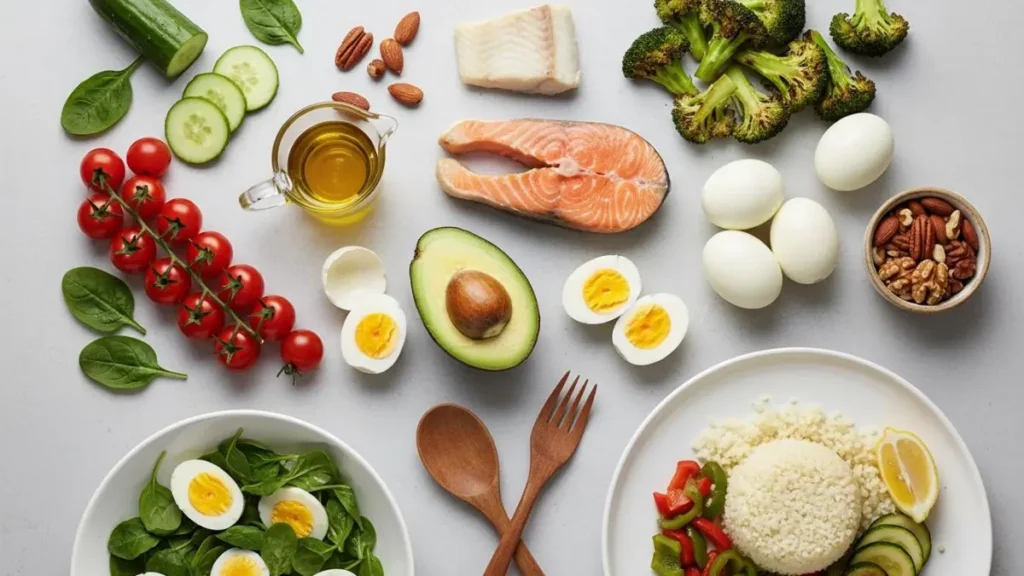
Your first week on Keto 2.0 is not about perfection — it’s about simplicity, nourishment, and adaptation.
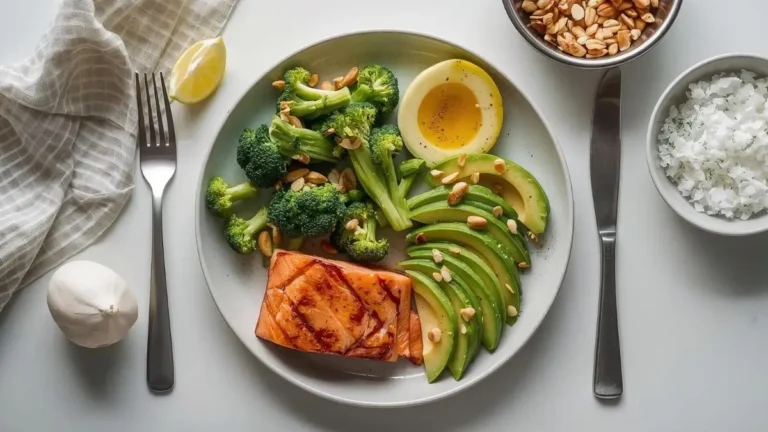
The goal is to reduce carbs gradually while focusing on whole, satisfying foods that support energy and digestion.
Instead of obsessing over numbers, Keto 2.0 encourages smart food choices that are easy to apply in real life.
Focus on These Foods During Week One
Protein (moderate & clean)
Choose simple, high-quality protein sources to support muscle and satiety:
- Eggs
- Chicken, turkey, beef, lamb
- Fish and seafood (salmon, tuna, sardines)
- Tofu or tempeh (if tolerated)
Low-Carb Vegetables (fiber-first approach)
Vegetables help digestion, gut health, and nutrient balance:
- Spinach, lettuce, kale
- Broccoli, cauliflower, zucchini
- Cucumber, asparagus, green beans
- Bell peppers (in moderation)
Healthy Fats (without overdoing it)
Use fats for cooking and flavor, not excess calories:
- Olive oil
- Avocado and avocado oil
- Butter or ghee
- Olives and nuts (small portions)
Simple Keto-Friendly Snacks (optional)
Snacking is not required, but allowed if needed:
- Boiled eggs
- A handful of nuts
- Greek yogurt (unsweetened, if tolerated)
- Cheese in moderation
Foods to Limit or Avoid in Week One
To help your body adapt smoothly, it’s best to avoid these foods during the first week:
- Sugar and sweetened foods
- Bread, pasta, rice, and grains
- Ultra-processed snacks
- Fruit juices and sodas
- Refined vegetable oils
Keep It Simple in the Beginning
During your first week:
- Eat 2–3 simple meals per day
- Avoid complicated recipes
- Drink enough water
- Don’t force fasting or extreme carb restriction
Keto 2.0 works best when your body feels supported, not stressed.
Once your energy stabilizes, you can gradually expand food variety and structure.
Many beginner-friendly keto food choices align with general low-carb nutrition principles supported by sources like Healthline, which emphasize whole foods, healthy fats, and adequate protein intake.
Common First-Week Symptoms (and How to Avoid Them)

During the first week of Keto 2.0, it’s normal for your body to go through a short adjustment phase. As your metabolism shifts from relying on carbohydrates to using fat more efficiently, you may notice a few temporary symptoms.
The good news?
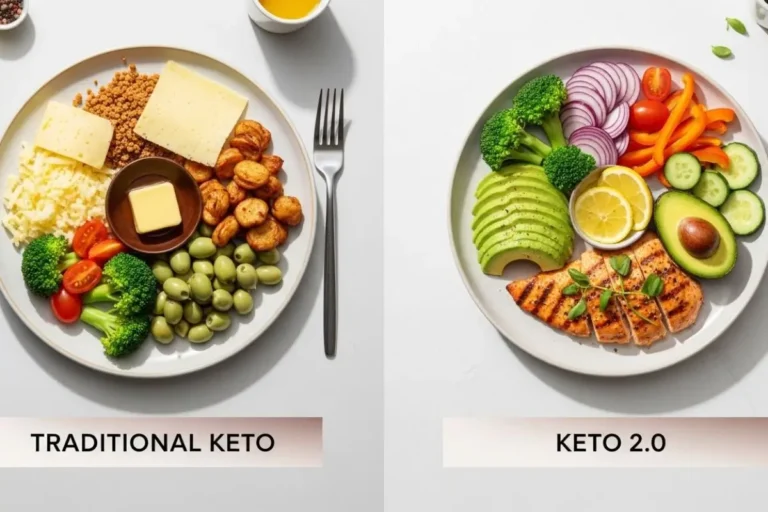
With Keto 2.0, these symptoms are usually milder and easier to manage than with traditional keto — especially when you follow a gradual, balanced approach.
1. Low Energy or Fatigue
In the first few days, some beginners experience low energy or mild tiredness. This happens as your body reduces its dependence on carbs and begins adapting to fat as a fuel source.
How to avoid it:
- Reduce carbs gradually instead of cutting them suddenly
- Eat enough calories (don’t undereat)
- Include healthy fats such as olive oil, avocado, and nuts
- Prioritize quality sleep during the first week
2. Headaches or Brain Fog
Headaches and mental fog can occur due to electrolyte shifts and dehydration, especially when carb intake decreases.
How to avoid it:
- Drink water consistently throughout the day
- Add a pinch of salt to meals if needed
- Include potassium-rich low-carb foods like leafy greens
- Avoid excessive caffeine during the transition
3. Digestive Changes (Bloating or Constipation)
Changes in fiber intake or food choices can temporarily affect digestion during the first week.
How to avoid it:
- Focus on fiber-rich vegetables (spinach, zucchini, broccoli)
- Eat slowly and avoid overeating
- Include healthy fats to support digestion
- Give your body a few days to adapt
4. Sugar or Carb Cravings
Cravings are common early on, especially if you were previously consuming a high-carb or sugar-heavy diet.
How to avoid it:
- Eat balanced meals with protein, fat, and vegetables
- Don’t skip meals
- Choose whole foods instead of keto “replacement” snacks
- Remember that cravings usually fade after the first week
5. Mild Dizziness or Lightheadedness
This can happen if hydration or electrolyte intake is too low.
How to avoid it:
- Stay hydrated
- Ensure you’re eating enough salt and minerals
- Avoid intense workouts during the first few days
- Stand up slowly if you feel lightheaded
Important Reminder for Beginners
These symptoms are temporary and usually improve within a few days. Keto 2.0 is designed to support a smoother transition by focusing on flexibility, proper nourishment, and realistic expectations — not extreme restriction.
If symptoms feel severe or persist beyond the first week, it’s always best to consult a healthcare professional.
Mistakes to Avoid in Your First 7 Days
The first week of Keto 2.0 sets the foundation for everything that follows. Many beginners struggle not because Keto 2.0 doesn’t work — but because of a few common early mistakes. Avoiding these will make your transition smoother, safer, and far more sustainable.
Many beginners unknowingly repeat the same food-related errors during their first week. To avoid frustration and slow progress, read our guide on common keto food mistakes beginners make and how to fix them with a smarter Keto 2.0 approach.Trying to Cut Carbs Too Fast
One of the biggest beginner mistakes is eliminating carbs overnight. While traditional keto often pushes rapid restriction, Keto 2.0 focuses on gradual reduction. Cutting carbs too aggressively can increase fatigue, cravings, and stress during the first days.
👉 Instead, reduce carbs step by step while improving food quality and consistency.
❌ Under-Eating (Especially Protein)
Some beginners eat too little, thinking it will speed up weight loss. In reality, under-eating can slow progress, reduce energy, and increase cravings. Keto 2.0 prioritizes adequate protein and balanced meals to support metabolism and muscle health.
👉 Focus on real meals, not extreme calorie restriction.
❌ Ignoring Hydration and Electrolytes
During the first week, your body releases more water as carbs decrease. Without enough fluids, sodium, potassium, and magnesium, symptoms like headaches, dizziness, and fatigue may appear.
👉 Drink water regularly and include electrolyte-rich foods or supplements early on.
❌ Obsessing Over Ketones or Macros
Many beginners stress over perfect ketosis levels or precise macro tracking. Keto 2.0 does not require constant measuring or chasing numbers. Progress comes from habits, food choices, and consistency — not perfection.
👉 Focus on how you feel, not just numbers.
❌ Expecting Immediate Results
Weight loss, energy improvements, and metabolic changes take time. Expecting dramatic results within a few days often leads to frustration and quitting too early.
👉 Think in weeks, not days. The first week is about adaptation, not perfection.
💡 Key takeaway:
Your first 7 days on Keto 2.0 are about learning, adjusting, and building habits — not pushing extremes. By avoiding these common mistakes, you give your body the space it needs to adapt safely and successfully.
When to Expect Results on Keto 2.0 (Realistic Expectations)
One of the biggest mistakes beginners make is expecting instant, dramatic results within a few days. While Keto 2.0 can lead to noticeable changes, real progress happens gradually—and that’s a good thing.
What You May Notice in the First Week
During your first 7 days on Keto 2.0, results are often subtle and mostly internal:
- Reduced bloating and water retention
- More stable energy levels throughout the day
- Decreased sugar cravings
- Improved mental clarity
- Better appetite control
Some people may see a small drop on the scale, but this is often related to water weight, not fat loss.
When Fat Loss Typically Begins
For most beginners, true fat loss starts after 2–3 weeks, once the body adapts to using fat more efficiently for fuel. Keto 2.0 prioritizes metabolic flexibility, so results are steady rather than extreme.
Expect progress such as:
- Gradual weight loss
- Improved digestion
- Better blood sugar balance
- Increased energy during workouts or daily activities
Why Keto 2.0 Takes a Smarter Approach
Unlike traditional keto, which pushes rapid ketosis, Keto 2.0 focuses on sustainability. This reduces burnout, hormonal stress, and rebound weight gain.
Instead of asking:
“Why haven’t I lost 10 pounds in a week?”
A better question is:
“Am I building habits I can maintain long term?”
Key Reminder for Beginners
Progress on Keto 2.0 is not measured only by the scale.
Consistency, improved well-being, and long-term results matter far more than quick fixes.
If you stay patient, follow the basics, and avoid extreme restrictions, results will come—and they’ll last.
Final Tips for Starting Keto 2.0 Safely
Starting Keto 2.0 is not about perfection — it’s about building smart habits you can maintain long term. Learning How to Start Keto 2.0 helps you develop these habits with clarity and confidence from the very beginning. The first week sets the tone, but your success depends on consistency, patience, and simplicity.
Here are a few final tips to help you stay on track and avoid unnecessary frustration:
- Go at your own pace. Keto 2.0 allows flexibility. There’s no need to rush or follow extreme rules to see progress.
- Focus on food quality first. Prioritize whole, minimally processed foods before worrying about numbers or macros.
- Listen to your body. Energy levels, hunger, and digestion are better guides than strict formulas.
- Stay hydrated and support electrolytes. This single habit can prevent many beginner symptoms.
- Avoid comparison. Everyone adapts differently. Your timeline is valid.
- Think long-term. Keto 2.0 is a lifestyle shift, not a 7-day challenge.
If something feels overwhelming, simplify. If progress feels slow, stay consistent. Sustainable results come from small, repeatable actions — not extremes.
Keto 2.0 works best when it fits your real life.
Ready to Start Keto 2.0 Safely and Confidently?
Starting Keto 2.0 doesn’t have to be overwhelming or extreme. With the right plan, simple food choices, and realistic expectations, you can build a sustainable low-carb lifestyle that actually works for real life.
To make your first steps easier, I’ve created a free Keto 2.0 Starter Guide that walks you through food lists, beginner-friendly meals, and practical tips to help you start the right way.
Download the Free Keto 2.0 Starter Guide →

2 Comments
Comments are closed.