
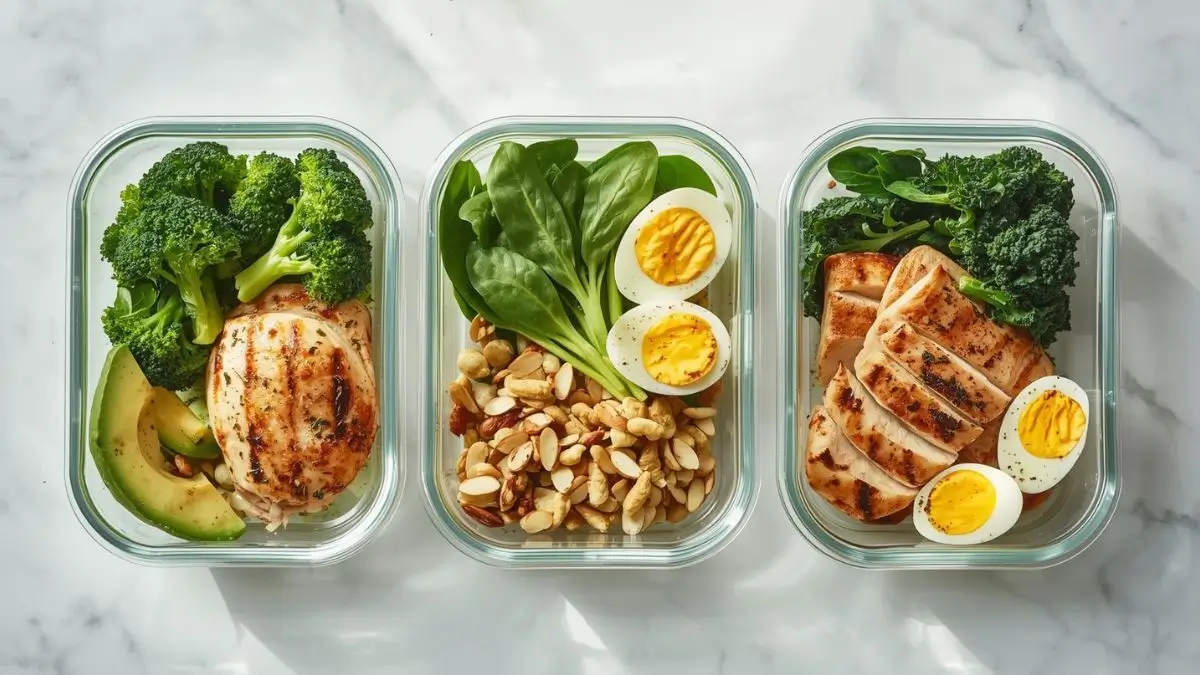
7-Day Keto Meal Plan for Beginners (Simple Keto 2.0 Plan)
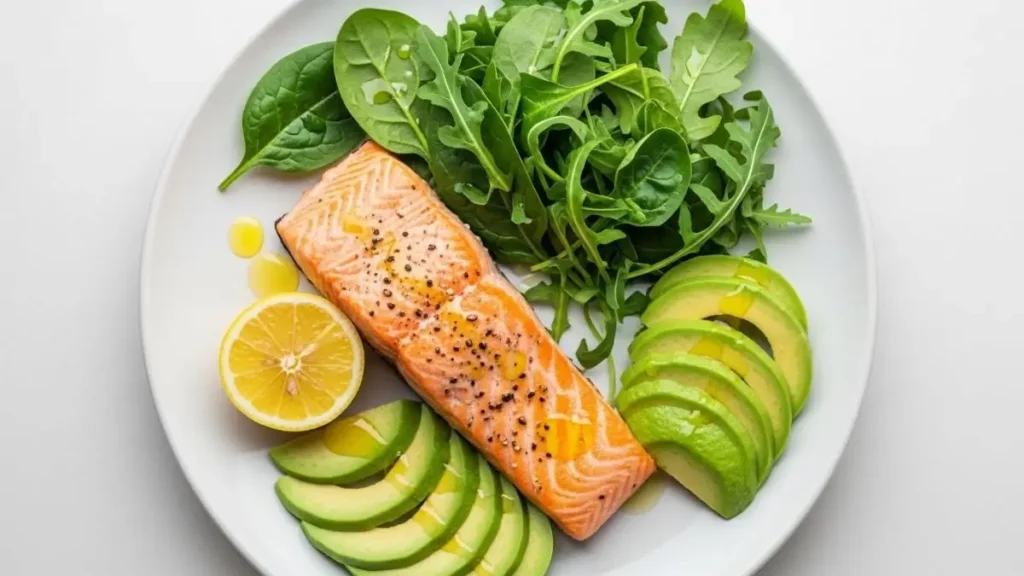
Starting keto can feel overwhelming — especially when you’re not sure what to eat, when to eat, or how to plan your meals.
That’s why a simple 7-day keto meal plan for beginners can make all the difference.If you’re completely new to this approach, we recommend starting with our complete Keto 2.0 beginner guide to understand how this method works before following a meal plan.
Instead of guessing your meals or following strict rules, this Keto 2.0 meal plan focuses on simplicity, balance, and real-life sustainability. You’ll know exactly what to eat each day, avoid common beginner mistakes, and build confidence without stress.
In this guide, you’ll find a beginner-friendly 7-day keto meal plan, designed to help you start Keto 2.0 safely, enjoy your meals, and stay consistent — even if this is your very first week on keto.
Table of Contents
Why a 7-Day Keto Meal Plan Is Perfect for Beginners
Starting a new way of eating can feel intimidating, especially when you’re faced with too many rules, food lists, and conflicting advice. For beginners, simplicity is key — and that’s exactly why a 7-day keto meal plan is the perfect starting point.
This 7-day plan is part of a broader approach to meal planning. You can explore more options and strategies in our Keto meal plans guide , designed to help beginners stay consistent long term.
A short, structured plan removes decision fatigue. Instead of wondering “What should I eat today?”, you follow a clear roadmap that guides you step by step through your first week of Keto 2.0. This makes the transition smoother and far less overwhelming.
Unlike long or rigid plans, a 7-day keto meal plan for beginners allows you to:
- Ease into low-carb eating without pressure
- Learn which foods work best for your body
- Build confidence before committing long term
- Avoid common beginner mistakes early on
From a Keto 2.0 perspective, the goal isn’t perfection — it’s consistency. A one-week plan helps you focus on progress over strict rules, giving your body time to adapt while keeping meals enjoyable and realistic.
Most importantly, a 7-day plan sets a strong foundation. By the end of the week, you’ll understand how keto meals are built, how your energy responds, and whether this lifestyle fits your goals — without feeling restricted or overwhelmed.
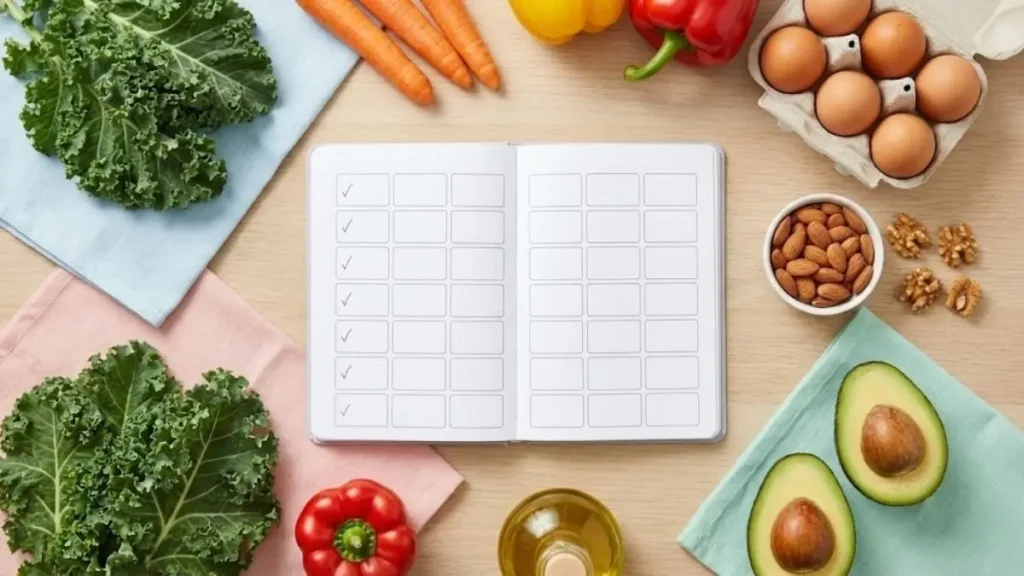
How This Keto 2.0 Meal Plan Works
This 7-day Keto 2.0 meal plan is designed to be simple, flexible, and realistic — especially for beginners who want results without feeling overwhelmed.
Instead of strict macro tracking or extreme carb limits,According to Harvard Health , reducing carbohydrate intake can shift the body toward fat-based energy — a principle that Keto 2.0 applies in a more flexible and sustainable way.
this plan focuses on smart food choices, balanced meals, and sustainable habits. Each day follows the same easy structure so you can quickly understand how Keto 2.0 works in real life.
Here’s how the plan is built:
Simple daily structure
Each day includes:
- 3 main meals (breakfast, lunch, dinner)
- Optional snacks, depending on hunger
- Foods that are easy to find and prepare
There’s no complicated math or obsessive tracking. Portions are intuitive, and meals are designed to keep you satisfied and energized.
Flexible low-carb approach
Keto 2.0 doesn’t aim for extreme ketosis. Instead, it helps you:
- Reduce carbs gradually
- Prioritize whole, minimally processed foods
- Balance protein, healthy fats, and fiber
This approach supports metabolic flexibility while making the plan easier to follow long term.
Beginner-friendly food rotation
Meals are intentionally repeated throughout the week with small variations. This helps beginners:
- Save time and money
- Reduce stress around cooking
- Learn which foods work best for them
By the end of the week, you’ll clearly understand how to build your own Keto 2.0 meals without relying on a strict plan.
Focus on consistency, not perfection
If one meal isn’t perfect, that’s okay. Keto 2.0 is about building habits you can maintain — not following an all-or-nothing diet.
This meal plan gives you structure, guidance, and confidence, while still allowing flexibility to fit real life.
7-Day Keto 2.0 Meal Plan for Beginners (Daily Breakdown)
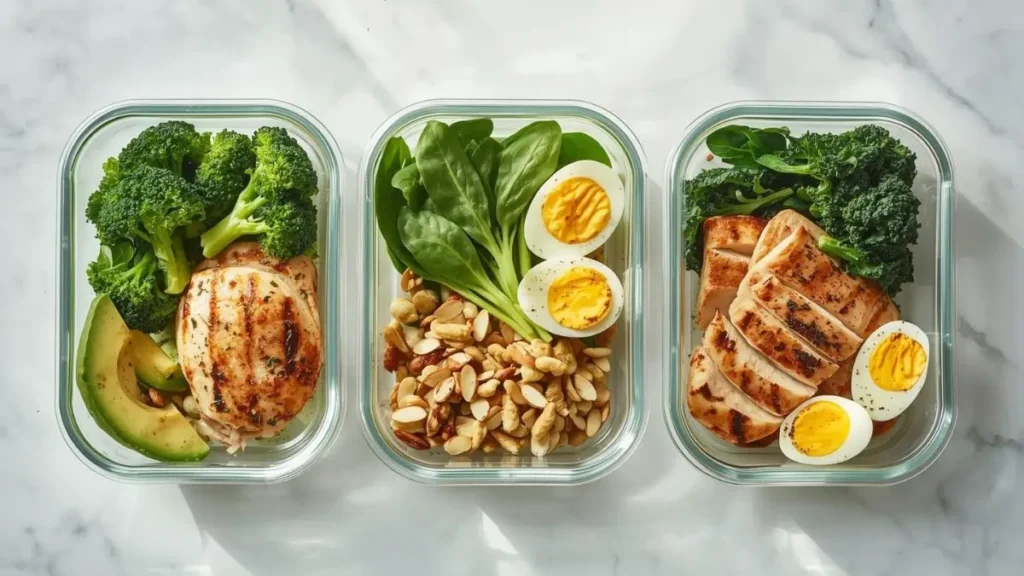
This 7-day Keto 2.0 meal plan is designed to help beginners ease into low-carb eating without stress, extreme restrictions, or complicated rules.
Each day follows the same simple structure so you can focus on consistency, not perfection.
Day 1 – Getting Started (Simple & Light)
Goal: Ease into Keto 2.0 and reduce carbs gently.
- Breakfast:
Eggs cooked with olive oil + sautéed spinach - Lunch:
Grilled chicken salad with leafy greens, cucumber, olive oil & lemon - Dinner:
Baked salmon with roasted zucchini - Optional snack:
A handful of nuts or Greek yogurt (unsweetened)
👉 Focus on hydration and whole foods.
Day 2 – Building Consistency
Goal: Reinforce habits and keep meals satisfying.
- Breakfast:
Omelet with vegetables and cheese - Lunch:
Tuna salad with avocado and mixed greens - Dinner:
Ground beef or turkey with steamed broccoli - Optional snack:
Cheese slices or boiled eggs
Day 3 – Feeling More Stable
Goal: Reduce cravings and stabilize energy.
- Breakfast:
Eggs + avocado - Lunch:
Leftover protein with vegetables - Dinner:
Chicken thighs with cauliflower rice - Optional snack:
Dark chocolate (85%+) or nuts
Day 4 – Keto 2.0 Rhythm
Goal: Let your body adapt naturally.
- Breakfast:
Skipped if not hungry (optional) or light eggs - Lunch:
Salmon or sardines with salad - Dinner:
Beef or lamb with roasted vegetables - Optional snack:
Yogurt or seeds
Day 5 – Balanced & Flexible
Goal: Practice flexibility without guilt.
- Breakfast:
Eggs or protein smoothie (low-carb) - Lunch:
Chicken bowl with vegetables - Dinner:
Fish or meat with greens - Optional snack:
Cheese or nuts
Day 6 – Confidence Building
Goal: Learn to trust hunger cues.
- Breakfast:
Optional or light - Lunch:
High-protein salad - Dinner:
Simple home-cooked keto meal - Optional snack:
Only if hungry
Day 7 – Reflection & Reset
Goal: Prepare for the next week.
- Breakfast:
Eggs + vegetables - Lunch:
Leftovers or salad - Dinner:
Favorite Keto 2.0 meal from the week - Optional snack:
As needed
👉 Notice what meals made you feel best — that’s the Keto 2.0 mindset.
Why This Meal Plan Works for Keto 2.0
- No extreme carb fear
- No complicated macros
- Repeated foods for simplicity
- Flexible structure for real life
By the end of these 7 days, you’ll understand how to build your own Keto 2.0 meal plan confidently.
What to Eat During a 7-Day Keto Meal Plan
During your first 7 days on Keto 2.0, the goal is simplicity, balance, and consistency — not perfection.
Instead of obsessing over macros or eliminating entire food groups, Keto 2.0 focuses on whole, nutrient-dense foods that naturally support low-carb eating and metabolic health.
A beginner-friendly 7-day keto meal plan should be built around three core principles:
1. Prioritize Whole, Minimally Processed Foods
Choose foods that are as close to their natural form as possible. Whole foods help stabilize blood sugar, improve digestion, and reduce cravings — especially during the early days of keto adaptation.
Examples include:
- Fresh vegetables
- Quality proteins
- Natural fats
- Simple, recognizable ingredients
2. Focus on Clean Protein Sources
Protein is essential for maintaining muscle, supporting metabolism, and keeping you full.
On Keto 2.0, protein intake is moderate and intentional, not excessive.
Good protein options during your first week include:
- Eggs
- Chicken, turkey, and lean meats
- Fish and seafood
- Greek yogurt or cottage cheese (if tolerated)
- Tofu or tempeh for plant-based keto
3. Choose Healthy Fats (Without Overdoing It)
Unlike traditional keto, Keto 2.0 does not require loading every meal with fat.
Fats are used strategically to support satiety and energy — not forced into every dish.
Beginner-friendly healthy fats include:
- Olive oil
- Avocados
- Nuts and seeds
- Fatty fish
- Small amounts of butter or ghee
4. Build Meals Around Low-Carb Vegetables
Low-carb vegetables provide fiber, micronutrients, and volume — making meals more satisfying and easier to sustain.
Great options for a 7-day keto meal plan:
- Leafy greens (spinach, lettuce, arugula)
- Zucchini, cucumber, broccoli
- Cauliflower, green beans, peppers
- Mushrooms and asparagus
5. Keep It Simple and Repeatable
During your first week, repetition is your friend.
Eating similar meals reduces decision fatigue and makes keto easier to stick to.
You don’t need gourmet recipes — just simple meals you enjoy and can repeat.
If you want a detailed breakdown of foods to include and foods to limit, you can explore our complete guide on Foods to Eat & Avoid on Keto 2.0, designed especially for beginners.
Foods to Avoid During Your First 7 Days
During the first 7 days of Keto 2.0, avoiding the right foods is just as important as choosing the right ones.
The goal isn’t restriction or fear — it’s reducing foods that disrupt blood sugar, increase cravings, and slow adaptation.
Instead of labeling foods as “bad,” Keto 2.0 helps beginners understand which foods make the transition harder and why limiting them early on leads to better results.
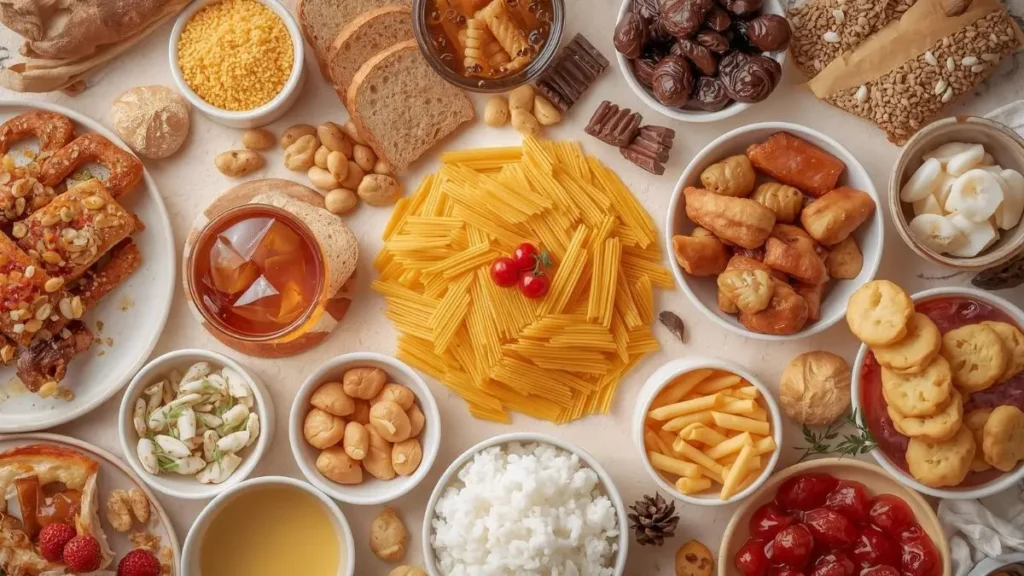
1. High-Sugar Foods and Sweetened Products
Sugar is the main obstacle during your first week. Even small amounts can trigger cravings, energy crashes, and make it harder to enter a low-carb metabolic state.
During your first 7 days, avoid:
- Candy, desserts, pastries
- Sweetened yogurt and flavored milk
- Fruit juices and sodas
- Honey, maple syrup, agave, and syrups
Tip: If you crave sweetness, focus on hydration and balanced meals instead of substitutes during the first week.
2. Refined Carbohydrates
Refined carbs spike blood sugar quickly and provide little nutritional value — making keto adaptation more difficult.
Limit or avoid:
- Bread, pasta, rice, couscous
- Breakfast cereals
- Crackers and baked goods
- White flour-based foods
These foods are often the reason beginners feel stuck or fatigued during early keto.
3. Highly Processed “Keto” Products
Not everything labeled “keto” is beginner-friendly.
Many processed keto snacks contain hidden sugars, sugar alcohols, or inflammatory oils.
During your first week, it’s best to avoid packaged keto bars, cookies, and shakes and focus on real foods instead.
4. Excessive Alcohol
Alcohol slows fat metabolism and increases cravings — especially in the adaptation phase.
If possible, avoid alcohol completely during the first 7 days.
This gives your body time to stabilize energy levels and hydration.
5. Ultra-Processed Vegetable Oils
Certain industrial oils can increase inflammation and negatively affect metabolic health.
Try to limit:
- Corn oil
- Soybean oil
- Sunflower oil
- Margarine and hydrogenated fats
Instead, stick to natural fats like olive oil or avocado oil in moderation.
6. Overeating “Keto-Friendly” Foods
Even keto-friendly foods can slow progress if eaten excessively — especially fats and dairy.
During your first week:
- Avoid forcing fats into every meal
- Eat until satisfied, not stuffed
- Focus on balance rather than perfection
Keto 2.0 emphasizes metabolic flexibility, not extreme fat loading.
Key Takeaway for Beginners
Your first 7 days are about removing the biggest obstacles, not eliminating everything at once.
By reducing sugar, refined carbs, and highly processed foods, you give your body the space it needs to adapt — making Keto 2.0 easier, smoother, and more sustainable from the start.
Common Mistakes Beginners Make with Keto Meal Plans
Even with a well-structured keto meal plan, many beginners struggle during their first week — not because keto doesn’t work, but because of simple, avoidable mistakes. We cover these in detail in our guide on common keto food mistakes beginners make and how Keto 2.0 helps fix them.
Keto 2.0 was designed specifically to help beginners avoid these traps and build sustainable habits from day one.
1. Trying to Be Too Strict Too Fast
One of the most common mistakes is jumping into keto with an all-or-nothing mindset.
Beginners often:
- Cut carbs too aggressively overnight
- Track every macro obsessively
- Panic over small mistakes
This approach increases stress and makes keto harder to maintain.
Keto 2.0 approach:
Gradual carb reduction, flexible meals, and consistency over perfection.
2. Overloading on Fat
Many beginners believe keto means eating as much fat as possible.
This can lead to:
- Digestive discomfort
- Low energy
- Slower progress
Keto 2.0 approach:
Use fats to support meals — not overwhelm them. Balance protein, vegetables, and healthy fats naturally.
3. Ignoring Fiber and Vegetables
Focusing only on carbs and fats often leads beginners to neglect fiber.
Low fiber intake may cause:
- Digestive issues
- Increased cravings
- Poor gut health
Keto 2.0 approach:
Include low-carb vegetables daily to support digestion and metabolic health.
4. Choosing Processed “Keto” Foods Too Often
Packaged keto snacks may seem convenient, but relying on them early can slow adaptation.
Hidden sugars, sugar alcohols, and additives often:
- Trigger cravings
- Affect blood sugar
- Reduce satiety
Keto 2.0 approach:
Build meals around whole, minimally processed foods — especially during the first week.
5. Not Drinking Enough Water or Replacing Electrolytes
Dehydration is a silent issue for many beginners.
Symptoms may include:
- Fatigue
- Headaches
- Muscle cramps
Keto 2.0 approach:
Stay hydrated and support electrolyte balance naturally through food and fluids.
6. Expecting Immediate Results
Some beginners expect dramatic changes within a few days.
When results feel slow, motivation drops.
Keto 2.0 approach:
Focus on energy, appetite control, and consistency — results follow naturally.
Key Takeaway for Beginners
A keto meal plan works best when it’s realistic, flexible, and supportive of your lifestyle.
By avoiding these common mistakes and following the Keto 2.0 method, beginners can:
- Adapt more smoothly
- Reduce frustration
- Build habits that last beyond the first week
How to Adjust This Keto Meal Plan for Your Lifestyle
One of the biggest advantages of Keto 2.0 is flexibility.
This 7-day keto meal plan is not meant to be followed rigidly — it’s designed to adapt to your lifestyle, preferences, and daily routine.
Here’s how to adjust this meal plan while staying aligned with Keto 2.0 principles.
If You Have a Busy Schedule
If you work long hours or have limited time to cook:
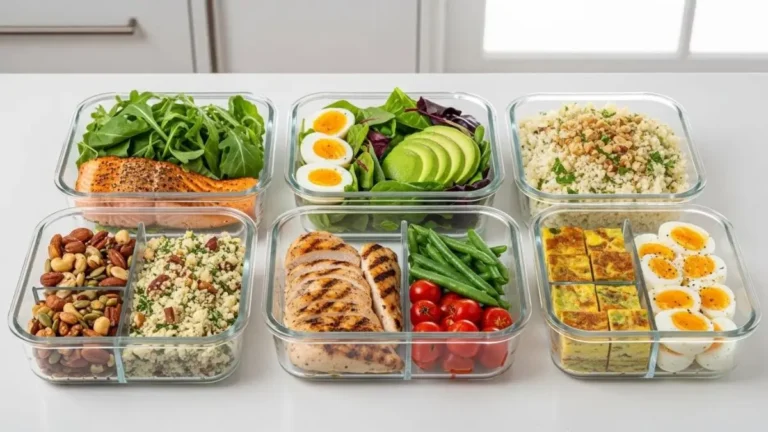
- Repeat simple meals across multiple days
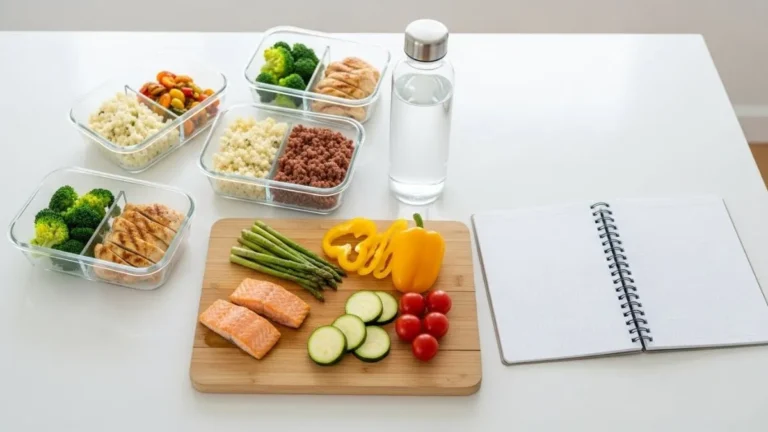
- Prep proteins and vegetables in advance
- Choose quick, whole-food options over complex recipes
Keto 2.0 tip: Consistency matters more than variety during your first week.
If You Eat Out or Travel
You don’t need to avoid restaurants to stay on track.
Instead:
- Prioritize protein-based meals
- Swap starchy sides for vegetables or salads
- Keep meals simple and familiar
Keto 2.0 mindset: Focus on better choices, not perfection.
If You’re Cooking for Family or Partners
You can adapt keto meals without creating separate dishes.
For example:
- Cook one main protein for everyone
- Add carbs on the side for others
- Keep your plate keto-focused
This makes Keto 2.0 easier to maintain in real-life situations.
If You Prefer Fewer Meals
Not everyone needs three full meals per day.
If you’re naturally less hungry:
- Reduce meal frequency
- Increase protein and vegetables at main meals
When to Expect Results from a 7-Day Keto Meal Plan
When starting a 7-day keto meal plan, many beginners wonder how quickly they’ll see results.
With Keto 2.0, the focus is not instant transformation — it’s healthy, sustainable progress.
Here’s what you can realistically expect during your first week.
Days 1–3: Initial Changes
During the first few days, your body begins reducing carbohydrate intake and adjusting its fuel source.
You may notice:
- Reduced bloating
- A slight drop in water weight
- Changes in appetite or hunger levels
These early changes are normal and part of the transition process.
Days 4–7: Adaptation Phase
As the week progresses, your body becomes more efficient at using fats and reducing glucose dependency.
Common experiences include:
- More stable energy levels
- Fewer cravings for sugar or refined carbs
- Improved mental clarity for some beginners
Weight loss during this phase varies and is not the main success indicator.
What Keto 2.0 Focuses On (Not Just the Scale)
Keto 2.0 does not promise extreme results in 7 days — and that’s intentional.
Instead, success is measured by:
- How sustainable the plan feels
- Whether meals fit your real-life routine
- Improved awareness of food choices
Long-term results come from consistency, not aggressive restriction.
When Real Results Typically Appear
For most beginners, noticeable and lasting results appear after 2–4 weeks, once habits are established and the body adapts fully.
This 7-day keto meal plan is your foundation, not the finish line.
Key Takeaway
If your first week feels manageable, energizing, and realistic — you’re on the right path.
Keto 2.0 is about building momentum you can maintain, not chasing short-term extremes.
Final Tips to Succeed with a 7-Day Keto Meal Plan
Starting a 7-day keto meal plan is an excellent first step — but success comes from how you approach it.
Here are a few final tips to help you get the most out of your first week on Keto 2.0:
- Keep it simple. Choose meals with minimal ingredients and avoid overcomplicating recipes.
- Focus on consistency, not perfection. Missing one meal or snack won’t ruin your progress.
- Listen to your body. Eat when hungry, stop when satisfied, and don’t force calories.
- Stay hydrated and support electrolytes. This helps reduce fatigue and supports adaptation.
- Use this plan as a foundation. The goal is to build habits you can continue beyond 7 days.
Remember: Keto 2.0 is not about strict rules or extremes — it’s about creating a sustainable low-carb lifestyle that fits your real life.
If your first week feels manageable and motivating, you’re doing it right.
Ready to Continue Your Keto 2.0 Journey?
Start Keto 2.0 the Smart Way
Get a clear, beginner-friendly roadmap with food lists, meal examples, and simple strategies designed to help you start Keto 2.0 with confidence — without overwhelm.
Download the Free Keto 2.0 Starter Guide100% Free • Beginner-Friendly • No Spam
3 Comments
Comments are closed.